

Reflections from Trinity’s Cultural Alliance Programme
As part of Trinity’s Cultural Alliance programme, this month has been full of workshops and rich reflective practice sessions with both students and teachers from our four partner schools. What follows is a reflection on what we learned, observed and experienced, and how these moments are helping us understand the growing impact of the programme.
A Month Immersed in Creativity and Reflection
This month I was able to fully immerse myself in the joy and real-time creative production that emerged from our feedback and reflective practice sessions. Working closely with Dr Harriet Hand, our Resident Researcher from the University of Bristol, we planned interactive and creative sessions designed to gather meaningful insight. We were also supported by Laura from Colourful Minds, who facilitated the artistic elements as we toured each school site.
These sessions gave us a valuable opportunity to understand how the programme is landing across the four schools, not only through structured feedback, but through candid, honest conversations and creative expression.
Reflective Practice with Teaching Staff
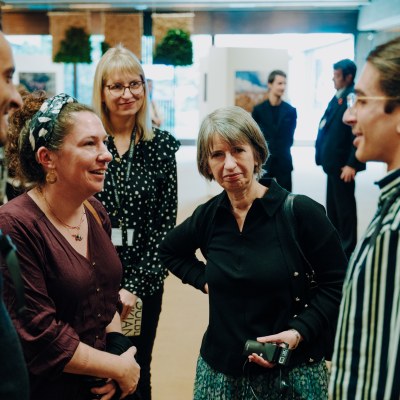
Our reflective practice sessions with teaching staff and SLT Leads invited them to spend dedicated time revisiting specific memories from recent dance and drama lessons. They shared poignant stories about individual young people as well as observations about broader group dynamics.
We held these sessions during the weekly staff meeting, arriving with muffins and fruit to help everyone over the final push of a long day.
Discussions went deep into what it "feels" like to be a teacher navigating ever changing days, shifting class groups and complex social pressures. It was inspiring to hear how passionately staff spoke about the experiences they try to create for their pupils, and how much they value creative input as a way to nurture confidence, imagination and blue sky thinking.
Challenges Around Creativity and Engagement
A common theme was recognition of how screen-heavy home environments and limited access to resources can restrict children’s creative development. Many children share the same narrow set of interests such as online games or YouTube personalities, which has become their default space for downtime and play.
Teachers reflected that when the project began in September 2024, most KS2 children did not understand the arts as a form of active learning. Many had missed out on creative experiences earlier in childhood and struggled to see the value of drama or movement. This often led to low confidence, awkwardness and social pressure preventing them from fully engaging.
“It is really lovely to see just how intentional, resourceful and creative the team at Trinity are within their Cultural Alliance work. I have pointed out to the team that so many community workers and researchers would benefit from replicating the Cultural Alliance’s creative methodologies.
This project continues to be a success largely because it has been held with such care and commitment, and I specifically want to name Sarah and Adam here, and praise their efforts. I have done a lot of work across monitoring and evaluating various projects, and this is one of those I find myself telling people about aspirationally.”
— Dr Furaha Asani, PHF Consultant supporting Trinity’s Cultural Alliance
Breakthroughs and Growing Confidence
With clear relief and pride, staff shared how embedding weekly Cultural Alliance sessions into the curriculum has given children a sense of safety, continuity and permission to engage. Over time, they have begun to imagine more freely and loosen the grip of self-consciousness.
We heard moving accounts of breakthrough moments where children found their voices, overcame fears of performing, collaborated more confidently, formed new friendships and softened a previously entrenched gender divide in class. These stories are powerful markers of the programme’s growing impact.
Children’s Voices at the Heart of the Evaluation
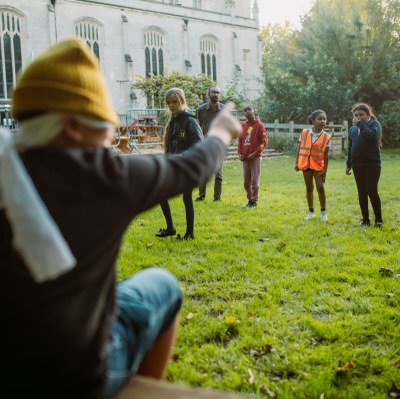
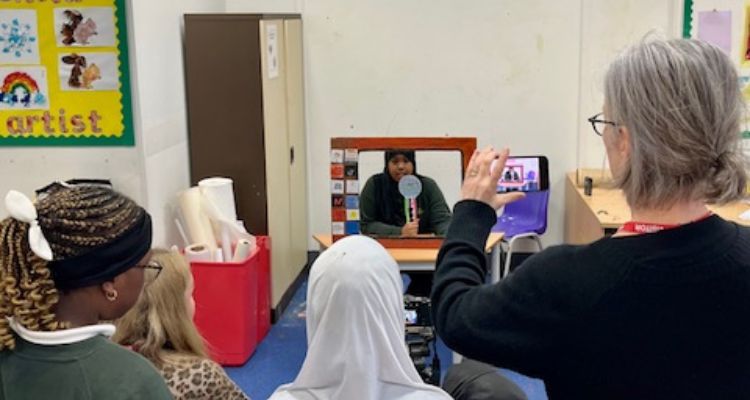
Additional insight came from sessions we facilitated during the schools’ creative after-school clubs. Here, children built their own TV screens and microphones from cardboard and paint sticks, crafting interview questions to ask one another about their experiences of the programme.
This activity gave them freedom to shape the conversation in ways that felt personal and relevant. Hearing directly from the children has been essential in measuring engagement and understanding how the programme is supporting their self-efficacy and comfort with new ways of learning.
The Role of Our Creative Partners
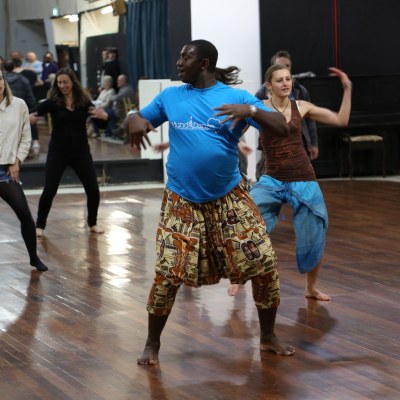
Our partners, acta and Movema, continue to design bespoke termly lesson plans that align with each class’s curriculum themes. Their thoughtful preparation ensures that sessions feel relevant, inclusive and closely connected to classroom values. This preparation is key to making the work feel meaningful and accessible to every child.
What Comes Next?
Once all of this analysis has been brought together, we will be able to share detailed findings alongside some of the most moving and insightful vignettes collected so far. Together, they will paint a fuller picture of the programme’s impact and its long term potential.