<?xml version="1.0" encoding="utf-8" ?>
<rdf:RDF xmlns:rdf="http://www.w3.org/1999/02/22-rdf-syntax-ns#" xmlns:dc="http://purl.org/dc/elements/1.1/" xmlns:syn="http://purl.org/rss/1.0/modules/syndication/" xmlns="http://purl.org/rss/1.0/">


<channel rdf:about="https://ldap2.3ca.org.uk/search_rss">
  <title>Trinity Community Arts</title>
  <link>https://ldap2.3ca.org.uk</link>

  <description>
    
            These are the search results for the query, showing results 11 to 21.
        
  </description>


  <image rdf:resource="https://ldap2.3ca.org.uk/logo.png"/>

  <items>
    <rdf:Seq>
      
        <rdf:li rdf:resource="https://ldap2.3ca.org.uk/about/news/latest-news/a-different-way-of-being"/>
      
      
        <rdf:li rdf:resource="https://ldap2.3ca.org.uk/about/news/latest-news/opinion-holding-onto-our-roofs"/>
      
      
        <rdf:li rdf:resource="https://ldap2.3ca.org.uk/about/news/latest-news/bristol-arts-funding"/>
      
      
        <rdf:li rdf:resource="https://ldap2.3ca.org.uk/activities/jacobs-wells/news/let-there-be-light"/>
      
      
        <rdf:li rdf:resource="https://ldap2.3ca.org.uk/contact/meet-the-team/emma/in-memoriam-phil-a-story-of-change"/>
      
      
        <rdf:li rdf:resource="https://ldap2.3ca.org.uk/about/news/latest-news/in-focus-festival-of-flourishing-regions-2025"/>
      
      
        <rdf:li rdf:resource="https://ldap2.3ca.org.uk/about/news/latest-news/getting-discomfortable"/>
      
      
        <rdf:li rdf:resource="https://ldap2.3ca.org.uk/contact/meet-the-team/emma/free-speech-wars-how-did-we-get-here-why-does-it-matter"/>
      
      
        <rdf:li rdf:resource="https://ldap2.3ca.org.uk/activities/music-youth/news/diversifying-the-workforce-one-job-at-a-time"/>
      
      
        <rdf:li rdf:resource="https://ldap2.3ca.org.uk/about/news/latest-news/becoming-legends-in-our-own-time-fighting-for-community-ownership"/>
      
      
        <rdf:li rdf:resource="https://ldap2.3ca.org.uk/about/news/2021/at-arms-length-in-arms-reach"/>
      
    </rdf:Seq>
  </items>

</channel>


  <item rdf:about="https://ldap2.3ca.org.uk/about/news/latest-news/a-different-way-of-being">
    <title>Opinion: It's time to curate a different way of being</title>
    <link>https://ldap2.3ca.org.uk/about/news/latest-news/a-different-way-of-being</link>
    <description>Opinion piece by CEO, Emma Harvey</description>
    <content:encoded xmlns:content="http://purl.org/rss/1.0/modules/content/"><![CDATA[<p><img src="https://ldap2.3ca.org.uk/about/news/DSC_0238.JPG/@@images/1d42f00e-0863-4794-a9d7-1ed5549e8f8c.jpeg" alt="" class="image-inline" title="" /></p>
<p>At Trinity, families from across our surrounding neighbourhoods come together. Children create paintings reflecting their diverse heritages. They sing nursery rhymes in different languages. The UK I see each day is not the divided one that manifested this weekend. It’s a place where people connect and foster relationships, bridging our diverse pasts within our shared present.</p>
<p>To suggest multiculturalism is something we tried and can simply undo is a particular form of dishonesty. Whether you like it or not, our towns and cities will only become more diverse so we must find ways to rub up against each other in less painful ways.</p>
<p>Multiculturalism isn’t a problem, but it’s also not a Benetton ad. Trinity’s charitable purpose is to promote racial harmony by encouraging equality of opportunity and good relations between people of different racial and cultural identities, and by facilitating multicultural activities. This isn’t just because it’s great fun, but because cohesion isn’t incidental. It requires work, spaces and resources, which are in short supply as counties, councils and communities go broke.</p>
<p>As the world changes around us in quicker and bolder ways, demographic profiles will continue to shift. Connecting online or in spaces with those who only nod in agreement makes seeing the world through a different lens all the harder.</p>
<p>Anchor hubs, community halls, neighbourhood pubs, historical sites and cultural institutions can offer an antidote; providing a familiar backdrop for existing communities while welcoming new ones. But rapid redevelopment, rising costs and pressures on sustaining statutory services are placing pressures on councils – often the legacy owners of a portfolio of our civic, cultural and heritage assets – to sell off the spaces that underpin our social fabric. Meanwhile, the decline of high streets has slowed growth and depleted local offerings that were once the foundation of an area’s cultural identity. If we no longer have places to drink tea and eat biscuits together, this creates a feeling of loss and defensiveness of 'us' that compounds fears of 'them'.</p>
<p>The sleight of hand being played is, while attention is diverted to small boats, the real threat – unregulated speculative land investment and inadequate community land control – continues to rob us of what’s ours. The response is a growing movement of local and national networks battling to save our spaces. While there are success stories, many of these campaigns struggle due to a lack of resources, experience and long-term support. Cash talks meaning it can be difficult to compete against the pressure on local authorities to dispose of assets at a commercial rate to balance budgets. Unlocking decisions and funding to protect these assets often hinges on political cycles, party policies and slogans that feel beyond our influence. This means, for every success story, we’re still losing more than we’re saving.</p>
<p>If we want to make things better for everyone, we must find a way to value societal well-being and sustainable development as much as, if not more than, the economic value of the ground under our feet. We can call in the army, increase police resources and regulate online spaces. But, if we want to see less of what happened this weekend, we must engage in the national conversation about the systemic issues behind such events and address how we provide vital civic infrastructure for a population that will only continue to grow in density and diversity.</p>
<p>The decisions we make now shape the story we tell about ourselves to future generations. At Trinity, we push the boundaries of a building constructed by people who could never have imagined the ways we use the space today. This space, built without us in mind, requires us to find ways to resource it for the future while accepting that we can’t predict what tomorrow holds or control who gets to be part of that.</p>
<p>Communities, times and places change. Once disparate cultural threads intertwine, shaping the ancestors we become. The fringe becomes the ordinary, the dinosaur, the dust.  In a world of polarisation, fear, and uncertainty, these are the spaces (as our Edson says) that allow us to curate a different way of being, resonating with our shared past and shaping a more resilient and culturally vibrant future.</p>
<p>Right now, these spaces are more vital than ever.</p>
<p>#RadicalInclusion</p>
<p><i><span class="discreet">This is an opinion piece by Emma Harvey</span></i></p>]]></content:encoded>
    <dc:publisher>No publisher</dc:publisher>
    <dc:creator>&lt;object object at 0x7faffd6c2580&gt;</dc:creator>
    <dc:rights></dc:rights>
    
      <dc:subject>opinion</dc:subject>
    
    
      <dc:subject>emma</dc:subject>
    
    <dc:date>2024-08-05T07:45:00Z</dc:date>
    <dc:type>News Item</dc:type>
  </item>


  <item rdf:about="https://ldap2.3ca.org.uk/about/news/latest-news/opinion-holding-onto-our-roofs">
    <title>Opinion: Holding Onto Our Roofs When The Sun Ain’t Shining </title>
    <link>https://ldap2.3ca.org.uk/about/news/latest-news/opinion-holding-onto-our-roofs</link>
    <description>CEO Emma Harvey asks: In austere times, how do we retain and maintain community buildings?</description>
    <content:encoded xmlns:content="http://purl.org/rss/1.0/modules/content/"><![CDATA[<p><img src="https://ldap2.3ca.org.uk/about/news/latest-news/roofsnewsmain.JPG" alt="" class="image-inline" title="" /></p>
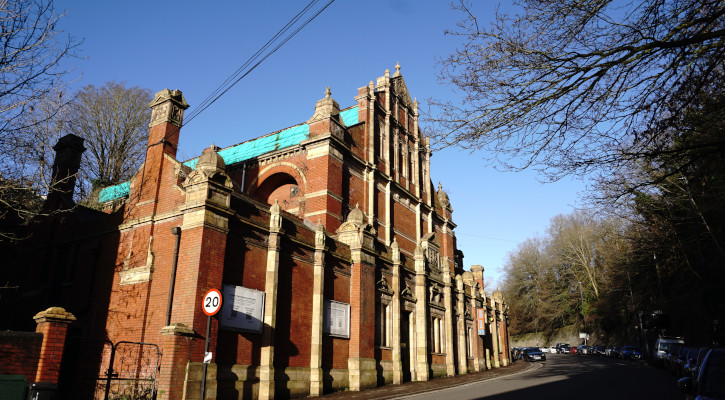
<p><span class="discreet">Jacobs Wells Baths - Image Credit: Sam Prosser</span></p>
<p>Preserving and maintaining community spaces is proving increasingly difficult as local authorities grapple with continued budgetary pressures. Some local authorities are facing or have already issued <a class="external-link" href="https://www.instituteforgovernment.org.uk/explainer/local-authority-section-114-notices">Section 114</a><a class="external-link" href="https://www.instituteforgovernment.org.uk/explainer/local-authority-section-114-notices"> notices</a> – which means expected income isn’t enough to cover expenditure. In response, <a class="external-link" href="https://consult.levellingup.gov.uk/local-government-finance/17f61919/">the Government</a> is considering making it easier for councils to dispose of publicly owned assets to cover rising costs of essential services. Financial news provider, <a class="external-link" href="https://www.bloomberg.com/news/articles/2024-01-06/uk-may-relax-rules-on-council-asset-sales-to-avert-bankruptcies">Bloomberg</a>, sets out how, “The move would mark a sharp relaxation of the current constraints, which prevent councils from using money from asset sales to meet budget pressures from day-to-day services without approval from the central government.”</p>
<blockquote class="pullquote">"The choices we make now in response to the challenge of preserving civic and cultural infrastructure in the face of financial uncertainty is a decision that will have lasting consequences for future generations" Emma Harvey</blockquote>
<p>Community groups and charities are collaborating to devise shared solutions to protect civic and cultural assets from disposal and loss; from volunteering to manage local allotments and raising money to invest in parks and play areas, to taking on ownership of local pubs or community buildings and developing their own <a class="external-link" href="https://www.gov.uk/guidance/neighbourhood-planning--2">Neighbourhood Plans</a>.</p>
<p>Whilst there are individual success stories of spaces saved, the challenge lies in how we create a national community asset transfer approach that is replicable, scalable and sustainable. As Brendan Conway, a leading voice in community assets, sets out in a LinkedIn post at the start of the year; “we must not valorise small precedents that have hidden foundations and assume that they are replicable.”</p>
<p>The current model places communities under increasing pressure to do more, though they may not equally hold all the necessary resources to convert short-term passion into sustained success. Existing funding schemes tied to short-term political cycles overlook the complexities of such projects, which require a variety of factors to align. Passionate people who care will inevitably overcommit and inexperienced individuals will underestimate what’s necessary to sustain a recovery effort over time. Some communities may hold the aspiration, but struggle to channel the right energy, investment or efforts consistently and continually. Others may just be overwhelmed, fatigued, or disheartened from past failed efforts to save the things they’ve loved and lost. This could lead to an increasingly disproportionate distribution of social resources, unless we proactively lay the foundations required to enhance success rates equitably across the breadth of UK communities.</p>
<p>The solution as to how we preserve civic and cultural infrastructure amidst financial uncertainty requires a nuanced, adaptable and holistic approach. It’s a delicate balancing act that, if we fail to get right, will leave our communities of tomorrow without the infrastructure they need to allow our more diverse, more densely populated neighbourhoods to function. The more we embark on these ambitious, quirky, complex projects, the more we will see projects fail. Should sites revert back to local authority control at a point where resources and capacity has further depleted, this will only compound risk of future asset disposal, not least because now one might also point to how the community tried, but failed to make it work.</p>
<p>In Bristol, there are a number of organisations driving a community ownership movement and a more strategic approach to community asset management, such as Bristol’s Community Anchor Network who have launched a manifesto to ask for more targeted support and investment to protect the city’s social fabric. More widely, <a class="external-link" href="https://www.newlocal.org.uk/articles/how-we-did-it-unlocking-community-assets-through-local-partnerships/">Platform Places</a> are collaborating with councils, community asset managers and owners to repurpose vacant high street properties, whilst Locality are continuing to promote their #SaveOurSpaces campaign by launching a new “community power revolution” to place more power in the hands of communities.</p>
<p>The choices we make now in response to the challenge of preserving civic and cultural infrastructure in the face of financial uncertainty is a decision that will have lasting consequences for future generations. To ensure a resilient and culturally vibrant future for UK communities expanding in diversity and population density, we must adopt a nuanced, bespoke and holistic approach to the assets that underpin our daily lives; one that embraces all the complexities, personalities and idiosyncrasies of our changing social and cultural landscape. And we need to do that pretty soon, before we have no space left to fight for.</p>
<p>Emma Harvey, CEO Trinity Community Arts</p>
<p>#SoldFromUnderYou</p>
<p>#SaveOurSpaces</p>
<p><strong>About this article</strong></p>
<ul>
<li>Trinity are committed to advocating for shared community and cultural spaces. We are members of <a class="external-link" href="https://locality.org.uk/">Locality</a> and are currently leading an appeal to restore <a class="external-link" href="http://www.trinitybristol.org.uk/savejwb">Jacobs Wells Baths</a> in Hotwells.</li>
<li>Read our <a href="https://ldap2.3ca.org.uk/about/news/2021/100beacons" class="internal-link">100 Beacons</a> report that shines a light on the importance of – and understand the risks posed to – Bristol's community and cultural assets<strong>.</strong></li>
<li>Read opinion piece <a href="https://ldap2.3ca.org.uk/about/news/latest-news/opinion-the-preservation-paradox-sell-now-pay-later" class="internal-link">"The preservation paradox: sell now, pay later"</a> </li>
</ul>]]></content:encoded>
    <dc:publisher>No publisher</dc:publisher>
    <dc:creator>&lt;object object at 0x7faffd6c2580&gt;</dc:creator>
    <dc:rights></dc:rights>
    
      <dc:subject>opinion</dc:subject>
    
    
      <dc:subject>emma</dc:subject>
    
    
      <dc:subject>community</dc:subject>
    
    <dc:date>2024-02-21T16:30:00Z</dc:date>
    <dc:type>News Item</dc:type>
  </item>


  <item rdf:about="https://ldap2.3ca.org.uk/about/news/latest-news/bristol-arts-funding">
    <title>Opinion: Bristol Arts Funding</title>
    <link>https://ldap2.3ca.org.uk/about/news/latest-news/bristol-arts-funding</link>
    <description>Our CEO has written an opinion piece on the challenges facing Bristol arts in the context of the wider cuts to arts funding and the impact this has on limiting pathways into careers in the creative industries</description>
    <content:encoded xmlns:content="http://purl.org/rss/1.0/modules/content/"><![CDATA[<p align="left" class="western"><img src="https://ldap2.3ca.org.uk/activities/art-of-resistance/news/copy_of__A5A2882.jpg" alt="Tide and Tales " class="image-inline" title="Tide and Tales " /></p>
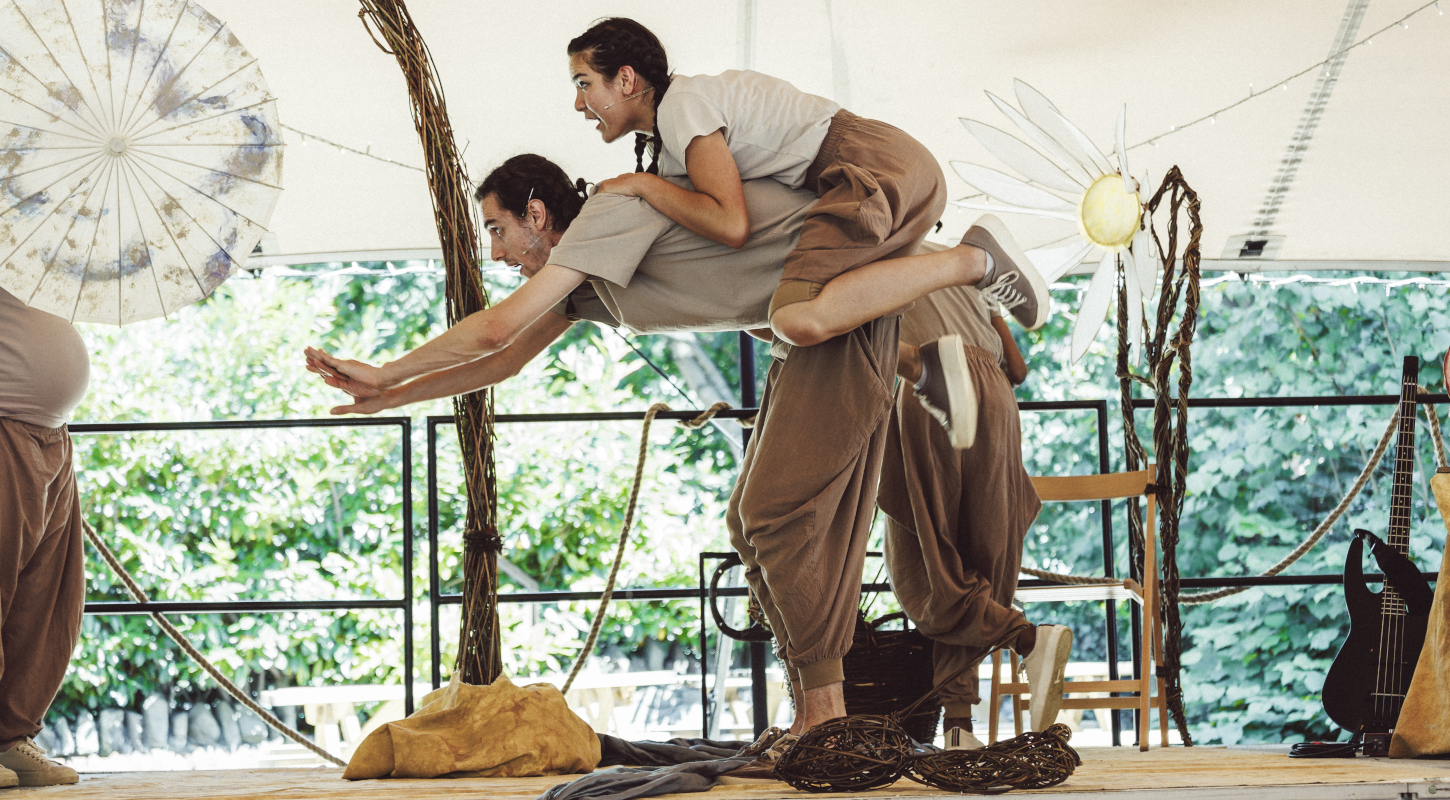
<p align="left" class="western"><span class="discreet">Tide and Tales perform during Summer Stay and Play sessions. Photo credit: Alistair Brookes</span></p>
<p align="left" class="western"><strong>Trinity CEO, Emma Harvey, reflects on the challenges facing Bristol arts in the context of the wider cuts to arts funding and the impact this has on limiting pathways into careers in the creative industries.</strong></p>
<p align="left" class="western"><span>In December 2023, Bristol City Council </span><span>(BCC) </span><span>announced </span><span>the</span><span>ir decisions fo</span><span>r the Cultural Investment Programme, </span><span>awarding</span><span> </span><span>grants</span><span> in principle to 15 organi</span><span>s</span><span>ations. </span><span>This included</span><span> Trinity, </span><span>newly funded </span><span>Unique Voice, </span><span>and T</span><span>ravelling Light Theatre Company </span><span>who recently lost their regular funding from Arts Council England. </span><span>Also Acta, ASLS, Asian Arts Agency, Bristol Pride, Circomedia, </span><span>CYN,</span><span> KWMC, Paraorchestra, Rising Arts Agency, Spike Island, St Paul’s Carnival and the Tobacco Factory.</span></p>
<p align="left" class="western"><span style="font-weight: normal; ">With nearly a 40% reduction</span><span style="font-weight: normal; "> in total funds </span><span style="font-weight: normal; ">compared to p</span><span style="font-weight: normal; ">ast</span><span style="font-weight: normal; "> rounds</span><span style="font-weight: normal; ">, 13 groups missed out on regular investment. This included </span><span style="font-weight: normal; ">previously funded groups</span><span style="font-weight: normal; "> Bristol Old Vic, Encounters, Exchange, IBT, MAYK, RWA, Saffron, St Georges, Trigger and Watershed, alongside new proposals from APE, SSGB and Wardrobe Theatre.</span></p>
<blockquote class="pullquote"><span style="font-weight: normal; ">"Rather than sharpening our elbows to fight for the crumbs that fall from the table we should be Oliver Twisting it up and asking for more."</span></blockquote>
<p align="left" class="western"><span style="font-weight: normal; ">As testament to the sector’s precariousness, two</span><span style="font-weight: normal; "> long-standing arts organisations </span><span style="font-weight: normal; ">were listed as, </span><span style="font-weight: normal; ">“closed or closing so not considered for investment”. Those not </span><span style="font-weight: normal; ">selected</span><span style="font-weight: normal; "> </span><span style="font-weight: normal; ">have </span><span style="font-weight: normal; ">responded with concerns about the continued cost o</span><span style="font-weight: normal; ">f living </span><span style="font-weight: normal; ">crisis </span><span style="font-weight: normal; ">reducing</span><span style="font-weight: normal; "> audience revenue </span><span style="font-weight: normal; ">a</span><span style="font-weight: normal; ">longside r</span><span style="font-weight: normal; ">ising overheads </span><span style="font-weight: normal; ">placing pressures on finances</span><span style="font-weight: normal; ">. </span><span style="font-weight: normal; ">Cultural i</span><span style="font-weight: normal; ">nstitutions t</span><span style="font-weight: normal; ">raditionally seen as too big to fail </span><span style="font-weight: normal; ">are facing an uncertain future </span><span style="font-weight: normal; ">and all funding</span><span style="font-weight: normal; "> </span><span style="font-weight: normal; ">is </span><span style="font-weight: normal; ">still subject to annual approva</span><span style="font-weight: normal; ">l. </span><span style="font-weight: normal; ">This co</span><span style="font-weight: normal; ">ntinued uncertainty </span><span style="font-weight: normal; ">means</span><span style="font-weight: normal; "> we're all on </span><span style="font-weight: normal; ">a sinking ship, just at different points of an inescapable decline.</span></p>
<p align="left" class="western"><span style="font-weight: normal; ">S</span><span style="font-weight: normal; ">uccesses and setbacks </span><span style="font-weight: normal; ">are all part of business as usual at Trinity. After almost 20 years the best I can say when someone asks if we'll be here in twelve months is, "hopefully". In the voluntary sector, survival is as good as it gets. Hearing frequent ‘Nos' then trying to work out what's next is part of the job.</span><span style="font-weight: normal; "> Competitive funding rounds linked to political cycles are perhaps the worst at</span><span style="font-weight: normal; "> </span><span style="font-weight: normal; ">breeding a "them and us" mindset, making</span><span style="font-weight: normal; "> </span><span style="font-weight: normal; ">organisations old and new, big and small go up </span><span style="font-weight: normal; ">against one another </span><span style="font-weight: normal; ">for ever decreasing </span><span style="font-weight: normal; ">funds</span><span style="font-weight: normal; ">. </span><span style="font-weight: normal; ">It</span><span style="font-weight: normal; "> creates a short-term focus and leads to over-commitment, particularly from those </span><span style="font-weight: normal; ">smaller, newer groups</span><span style="font-weight: normal; "> desperate to move from being “out” to “in” any </span><span style="font-weight: normal; ">funding </span><span style="font-weight: normal; ">portfolio </span><span style="font-weight: normal; ">round. It</span><span style="font-weight: normal; "> leads to an</span><span style="font-weight: normal; "> unrealistic</span><span style="font-weight: normal; "> emphasis on measuring </span><span style="font-weight: normal; ">the intangible that benefits no one and </span><span style="font-weight: normal; ">decreases our appetite for risk, stifl</span><span style="font-weight: normal; ">ing</span><span style="font-weight: normal; "> the very creativity we’re seeking to support.</span></p>
<p align="left" class="western"><span style="font-weight: normal; ">Rather than sharpening our elbows to fight for the crumbs that fall from the table we should be Oliver Twisting it up and asking for more. Were </span><span style="font-weight: normal; ">BCC to fund all 30 organisations listed to the max</span><span style="font-weight: normal; ">imum </span><span style="font-weight: normal; ">annual grant amount of £30k per year, this would amount to the amount to less 2% of </span><span style="font-weight: normal; ">the city’s </span><span style="font-weight: normal; ">total annual revenue spend.</span><span style="font-weight: normal; "> </span><span style="font-weight: normal; ">With many administrations </span><span style="font-weight: normal; ">nationally</span><span style="font-weight: normal; "> issuing or on the verge of section 114 notices due to difficulties in delivering balanced budgets, this can make </span><span style="font-weight: normal; ">such a </span><span style="font-weight: normal; ">case for</span><span style="font-weight: normal; "> </span><span style="font-weight: normal; ">arts funding appear entitled and out of touch with the everyday suffering of many </span><span style="font-weight: normal; ">across the country. But cuts to arts funding are part of a wider narrative (see links, below) of reduced investment </span><span style="font-weight: normal; ">in the</span><span style="font-weight: normal; "> arts that deprives those without the means from carving out meaningful experiences and careers in the creative industries.</span></p>
<p align="left" class="western"><span style="font-weight: normal; ">Arts can be an easy thing to cut in difficult times but we’re doing so to the detriment of those who benefit from its power most. There is an intrinsic value </span><span style="font-weight: normal; ">that’s </span><span style="font-weight: normal; ">accepted </span><span style="font-weight: normal; ">and </span><span style="font-weight: normal; ">widely </span><span style="font-weight: normal; ">evidenced. Art is</span><span style="font-weight: normal; "> good for us; our economy, our health, our </span><span style="font-weight: normal; ">sense of place and belonging. </span><span style="font-weight: normal; ">And</span><span style="font-weight: normal; "> yet, one of the wealthiest city's in one of the wealthiest countries globally can’t even resource the creativity that sits at the heart of our </span><span style="font-weight: normal; ">local </span><span style="font-weight: normal; ">identity.</span></p>
<p align="left" class="western"><span style="font-weight: normal; ">Collaborating with<a href="https://ldap2.3ca.org.uk/about/news/latest-news/nature-play" class="internal-link"> three local primary schools</a>, </span><span style="font-weight: normal; ">Trinity </span><span style="font-weight: normal; ">recognise</span><span style="font-weight: normal; ">s</span><span style="font-weight: normal; "> the significance of early engagement with culture in igniting creative aspirations. Children locally and nationally have witnessed </span><span style="font-weight: normal; ">reduced access</span><span style="font-weight: normal; "> to arts education compounded by challenges stemming from the pandemic and the ongoing burden of </span><span style="font-weight: normal; ">cost of </span><span style="font-weight: normal; ">living </span><span style="font-weight: normal; ">limiting access to </span><span style="font-weight: normal; ">out of school activities. </span></p>
<p align="left" class="western"><span style="font-weight: normal; ">The ongoing decline in arts investment nationwide results in a gradual erosion of our opportunities to engage with the arts, </span><span style="font-weight: normal; ">limiting </span><span style="font-weight: normal; ">our cultural pathways. As the voices shaping our shared narratives become fewer, the story of our national identity risks being conveyed through an ever narrowing lens. Over time, this reduces the chances for individuals without existing wealth and means to pursue meaningful careers in an industry that contributes billions to the UK's economy annually.</span></p>
<p align="left" class="western"><span style="font-weight: normal; ">It is commendable that, for the time being at least, BCC have sought to protect what remains of their public subsidy for the sector and focus what resource it can with the aim of sustaining </span><span style="font-weight: normal; ">participatory arts provision within</span><span style="font-weight: normal; "> neighbourhoods</span><span style="font-weight: normal; ">. But if we really want to ensure everyone has the opportunity to access and make art we need to think </span><span style="font-weight: normal; ">of better </span><span style="font-weight: normal; ">ways to ensure the investment is felt beyond a handful of suspects, however usual or unusual. </span></p>
<p align="left" class="western"><span style="font-weight: normal; ">Some of the most successful schemes to support arts and diversify the </span><span style="font-weight: normal; ">arts </span><span style="font-weight: normal; ">sector have come from creative co-option of back-to-work schemes, from Future Jobs Fund and the recent <a href="https://ldap2.3ca.org.uk/about/news/latest-news/access-to-the-arts-industry-with-trinity" class="external-link">Kickstart Scheme</a>, </span><span style="font-weight: normal; ">providing</span><span style="font-weight: normal; "> paid entry level roles for &lt;25s, </span><span style="font-weight: normal; ">t</span><span style="font-weight: normal; ">o Thatcher’s</span><span style="font-weight: normal; "><a href="https://www.theguardian.com/culture/2023/jul/26/thatcher-enterprise-allowance-scheme-artists-rachel-whiteread-jarvis-cocker-britpop-ybas"> Enterprise Allowance</a>, </span><span style="font-weight: normal; ">which enabled</span><span style="font-weight: normal; "> some of the UK’s most prolific cultural practitioners </span><span style="font-weight: normal; ">to carve out their early careers and saw the birth of</span><span style="font-weight: normal; "> Brit Art movement.</span></p>
<p align="left" class="western"><span style="font-weight: normal; ">Some trusts and foundations are catching on and supporting organisations and creatives in new and flexible ways. As far as public subsidy goes, we’re fighting for a </span><span style="font-weight: normal; ">seat at a table where chairs are </span><span style="font-weight: normal; ">continually being taken out of the game. W</span><span style="font-weight: normal; ">ho will secure the chair once the music stops? </span><span style="font-weight: normal; ">A </span><span style="font-weight: normal; ">more impactful path involves collaborative efforts to </span><span style="font-weight: normal; ">lay the</span><span style="font-weight: normal; "> foundation</span><span style="font-weight: normal; ">s</span><span style="font-weight: normal; "> for fair</span><span style="font-weight: normal; ">er</span><span style="font-weight: normal; "> resource distribution. </span><span style="font-weight: normal; ">Let’s stop playing someone else’s game and tip the</span><span style="font-weight: normal; "> table over.</span></p>
<p align="left" class="western"><span style="font-weight: normal; "><i>By Emma Harvey, CEO</i></span></p>
<p align="left" class="western"><strong>Further reading:</strong></p>
<p align="left" class="western">Bristol City Council defends cultural venue funding cuts (<a href="https://www.bbc.co.uk/news/uk-england-bristol-67646524">BBC</a>)</p>
<p align="left" class="western">Restore Bristol arts funding! (<a href="https://www.megaphone.org.uk/petitions/mayor-marvin-rees-restore-our-arts-funding">Equity</a>)</p>
<p align="left" class="western">The arts are in crisis (<a href="https://gal-dem.com/arts-sector-cuts">Gal Dem</a>)</p>
<p align="left" class="western">Government urged to intervene over local arts cuts (<a href="https://www.campaignforthearts.org/coverage/emergency-action-needed-government-urged-to-intervene-over-local-arts-cuts/">Campaign For The Arts</a>)</p>
<p align="left" class="western" style="line-height: 115%; ">Funding cuts and weak economy send UK’s visual arts into crisis (<a href="https://www.theartnewspaper.com/2023/07/11/special-report-funding-cuts-and-weak-economy-send-uks-visual-arts-into-crisis">The Art Newspaper</a>)</p>
<p align="left" class="western" style="line-height: 115%; ">How will art funding cuts in schools affect creativity? (<a href="https://www.itsnicethat.com/features/how-will-art-funding-cuts-in-schools-affect-creativity-thematic-creative-industry-politics-170423">It’s Nice That</a>)</p>
<p align="left" class="western" style="line-height: 115%; ">Huge decline of working class people in the arts reflects fall in wider society (<a href="https://www.theguardian.com/culture/2022/dec/10/huge-decline-working-class-people-arts-reflects-society">Guardian</a>)</p>]]></content:encoded>
    <dc:publisher>No publisher</dc:publisher>
    <dc:creator>&lt;object object at 0x7faffd6c2580&gt;</dc:creator>
    <dc:rights></dc:rights>
    
      <dc:subject>opinion</dc:subject>
    
    
      <dc:subject>trinity presents</dc:subject>
    
    
      <dc:subject>emma</dc:subject>
    
    
      <dc:subject>trinity</dc:subject>
    
    <dc:date>2023-12-12T11:05:00Z</dc:date>
    <dc:type>News Item</dc:type>
  </item>


  <item rdf:about="https://ldap2.3ca.org.uk/activities/jacobs-wells/news/let-there-be-light">
    <title>Let There Be Light!</title>
    <link>https://ldap2.3ca.org.uk/activities/jacobs-wells/news/let-there-be-light</link>
    <description>If you’ve walked past Jacobs Wells Baths recently, you may have seen the scaffolding going up and wondered what on earth is happening inside...

</description>
    <content:encoded xmlns:content="http://purl.org/rss/1.0/modules/content/"><![CDATA[<p><img alt="WhatsAppVideo.GIF" src="https://s12.gifyu.com/images/bkB22.gif" /></p>
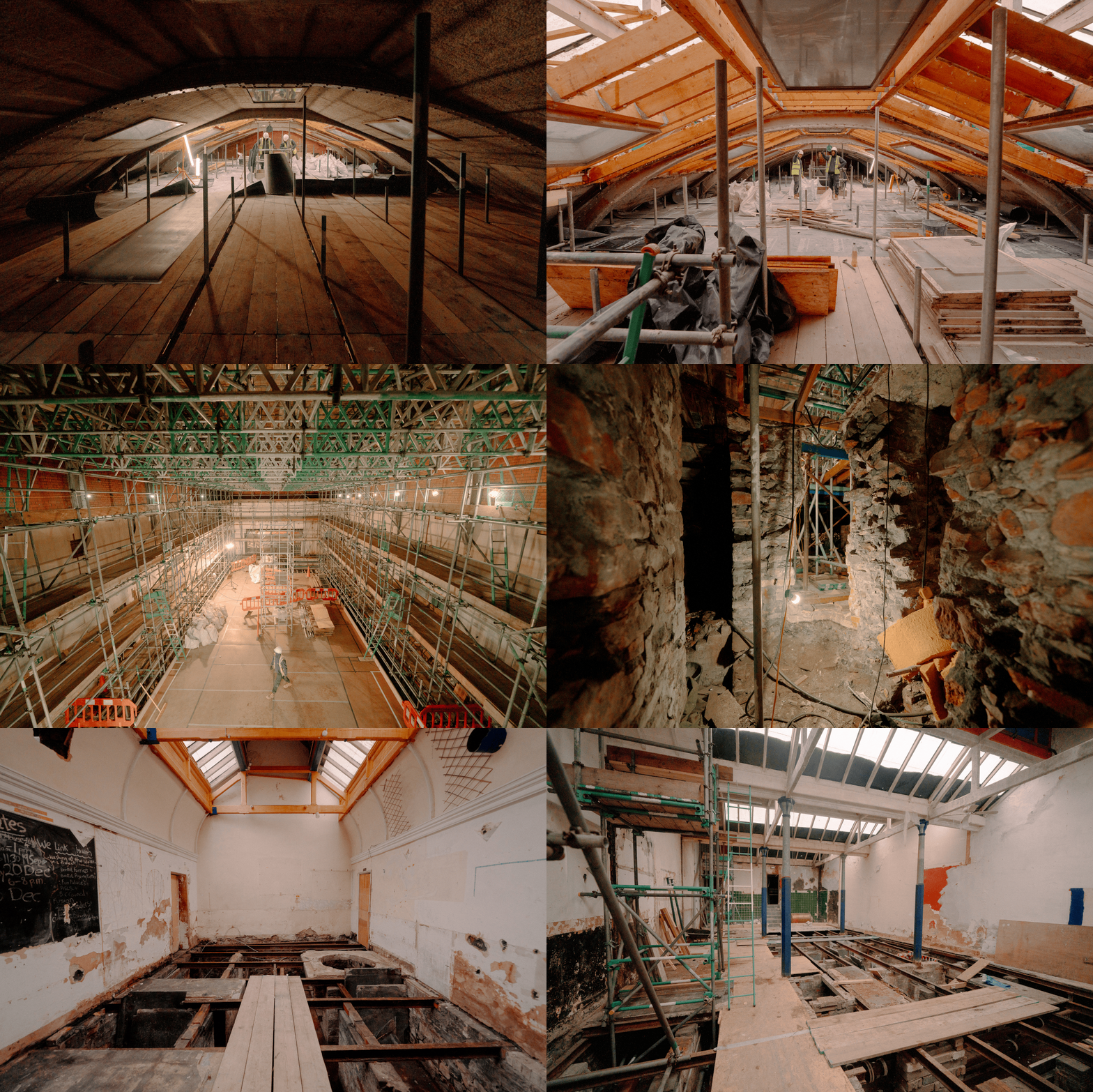
<p class="BCX0 SCXW44806484 Paragraph" style="text-align: right; "><span class="discreet">Let there be light! Carrek Ltd work to reveal lantern roof at Jacobs Wells Baths. Photos: Elliot Thingston</span></p>
<p class="BCX0 SCXW44806484 Paragraph" style="text-align: left; "><span class="discreet"> </span>"Have you forgotten about Jacobs Wells?”</p>
<p class="BCX0 SCXW44806484 Paragraph">This was my partner, chatting to me last week because January’s been all systems go and all I've been chatting about of late is Citizens for Culture and deliberative democracy and City of Culture and creativity for everyone and Solar Opposites and Pokémon etc etc...</p>
<p class="BCX0 SCXW44806484 Paragraph">Like him, some of you may have walked past Jacobs Wells Baths and seen scaffolding shooting up and started wondering what on earth is going on inside. Has Emma forgotten about her building babies? Has she finally lost the plot?!</p>
<p class="BCX0 SCXW44806484 Paragraph">Perhaps.</p>
<p class="BCX0 SCXW44806484 Paragraph">But behind the boards and beneath the dust, something extraordinary is happening. And we let photographer Elliot Thingston (with his PPE on) inside to take a sneaky peak. As work continues overhead, the transformation may not yet be fully visible from the street. But believe me when I say, the Baths are beginning to breathe again.</p>
<p class="BCX0 SCXW44806484 Paragraph">As part of the ongoing restoration works to save this building and restore it for the community, heritage contractors Carrek Ltd have been working to remove the internal roof fabric. The old, damaged acoustic foam left behind from its time as a dance centre has revealed for the first time since 1984 the building's original glass lantern roof. When the foam started coming down, we began to see the outline of the lantern structure. To watch the main hall flood with daylight. That was special. You could suddenly understand the architect’s original intention.</p>
<blockquote class="pullquote"><span class="discreet"><strong>What’s Happening Now</strong><br />The team is removing damaged internal acoustic foam and carefully exposing the historic lantern structure. Original timber and ironwork are being assessed and restored, new glazing is being installed, solar panels added, and external masonry repaired. </span><span class="discreet">Phase 1 costs £2.2m and is scheduled to be completed Autumn 2026</span></blockquote>
<p class="BCX0 SCXW44806484 Paragraph">Contractors can at times seem faceless, but not this crew. Keith Hoskins, Director of Carrek Ltd is one of the many true passionate folk involved in this recovery effort. I’ve been involved in a few capital projects over the years with my other building baby, the Trinity Centre (don’t worry, I haven’t forgotten her either), and this is the first time I’ve seen someone so utterly determined to climb eight tiers of scaffolding just to witness a moment of restoration. But that’s what a project like this does. It pulls people upward.</p>
<p class="BCX0 SCXW44806484 Paragraph">A passion project for spirited souls just like Keith. When I was chatting to him up there in the roof heavens he spoke excitedly about the original timber roof noting that, while some areas of the structure have deteriorated over time, the overall quality and craftsmanship of the materials and original build is remarkable.</p>
<p class="BCX0 SCXW44806484 Paragraph">The team’s priority is to conserve and repair as much of the historic fabric as possible. The existing timber frame will be carefully restored, with a new glass roof introduced above it; one that honours the original design while ensuring the structure performs to contemporary building and environmental standards.</p>
<blockquote class="pullquote"><span class="discreet"><strong>What’s Happening Next</strong><br />Phase 2 will focus on the restoration of internal fabric and adaptation of the space in response to community consultation. This will include renovation of the interior, a new entrance, WCs, and lift, as well as interpretation and signage, plus a heritage learning and participation programme. Phase 2 costs are estimated at £5.5m and are expected to begin in Spring 2027 (subject to funding)</span></blockquote>
<p>There’s something deeply symbolic about light returning to this building. Jacobs Wells Baths has always been a place of public gathering and shared experience. Seeing the lantern revealed I hope will serve as a reminder that this isn’t just restoration. It’s a revival.</p>
<p class="BCX0 SCXW44806484 Paragraph">This is why I am so in love with old buildings. Because, at the beginning, there’s a surge of excitement in that moment of possibility. Then the hard graft begins and it’s all scaffolding, dust, rubble and drilling and pulling things apart and board meetings and spreadsheets and budgets and cost rationalising and more meetings and and and.</p>
<p class="BCX0 SCXW44806484 Paragraph">And for a while, hope vanishes behind hoardings. And we find it hard to hold onto that end goal of a reimagined space for us. But it’s precisely in these messy, unseen stages that something extraordinary starts to happen. The foundations are laid and that art of the possible truly begins, nudging us steadily closer to that magical moment when the space opens once again and the vision becomes a reality for everyone.</p>
<p class="BCX0 SCXW44806484 Paragraph">It’s not always easy to create moments inside the building to connect with supporters while major works like this are underway. So, I hope these images offer a glimpse into that window of possibility. A way to see the craftsmanship and care that hides behind the scaffolding and for you all to continue to have faith in us.</p>
<p class="BCX0 SCXW44806484 Paragraph">I share this to give love and thanks to my dedicated professional team and so people can feel part of the journey. We’re deeply grateful to our community, funders and partners for sticking with us through the complex stages of restoration, and we’re hopeful about what this moment of light signals: the start of the future of this extraordinarily handsome building.</p>
<blockquote class="pullquote"><span class="discreet">Phase 3 to be continued...?</span></blockquote>
<p class="BCX0 SCXW44806484 Paragraph">Because this is not a building story. It’s a flippin’ love story. And all the best love stories come in three parts.</p>
<p class="BCX0 SCXW44806484 Paragraph"><i>By Emma Harvey, CEO</i></p>
<p class="callout"><span class="discreet"><strong>Thanks to our funders:</strong> We’re incredibly grateful for the continued support of our funders and supporters, including MHCLG (Community Ownership Fund), Architectural Heritage Fund, Historic England, The Nisbet Trust, John James Foundation, Merchant Venturers Charitable Trust, Centrica: Energy for Tomorrow, The Pilgrim Trust, Bristol City Council, Sylvia Waddilove and all our individual donors and sponsors. We could not do this without you x</span></p>]]></content:encoded>
    <dc:publisher>No publisher</dc:publisher>
    <dc:creator>&lt;object object at 0x7faffd6c2580&gt;</dc:creator>
    <dc:rights></dc:rights>
    
      <dc:subject>jwb</dc:subject>
    
    
      <dc:subject>emma</dc:subject>
    
    <dc:date>2026-02-07T04:55:00Z</dc:date>
    <dc:type>News Item</dc:type>
  </item>


  <item rdf:about="https://ldap2.3ca.org.uk/contact/meet-the-team/emma/in-memoriam-phil-a-story-of-change">
    <title>In memoriam: Phil, a story of change</title>
    <link>https://ldap2.3ca.org.uk/contact/meet-the-team/emma/in-memoriam-phil-a-story-of-change</link>
    <description>A tribute to Phil, 1948-2020

</description>
    <content:encoded xmlns:content="http://purl.org/rss/1.0/modules/content/"><![CDATA[<p><img src="https://ldap2.3ca.org.uk/contact/meet-the-team/emma/Poppy.JPG/@@images/5145ed74-7f36-42f3-b62d-a710d92ae844.jpeg" alt="" class="image-inline" title="" /></p>
<p> </p>
<p>
<header>
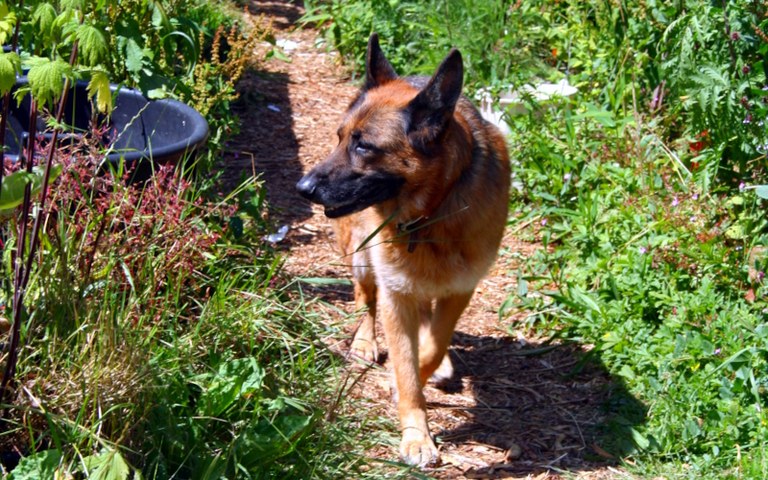
<p class="documentFirstHeading" style="text-align: right; "><i><span class="discreet">Phil's dog Poppy was a regular feature in the building</span></i></p>
<p class="documentFirstHeading" style="text-align: left; "><strong><i> </i>A tribute to Phil, 1948-2020</strong></p>
<p class="documentFirstHeading" style="text-align: left; "><strong> </strong>To reflect on a journey like Phil’s is to take a momentary glimpse at a life of many parts, including parts lost or hidden, or not ours to tell. The parts I know include parts that are difficult, also parts where I don’t recognise much of the man I knew. Phil was a complex, layered person. It was not that he shied away from his past, he just didn’t want to bestow the weight of it onto others.</p>
</header>
</p>
<p class="western">In life, we chase rainbows. In death, we want something much simpler. Our own salvation or damnation dependent on the compatibility of our relative goodness to those who mourn our passing. Making saints of those held close and casting aside the sinners, though the space between is the one most of us occupy. Society depends on us all trying to be the best versions of ourselves. Our crimes are committed in the moments where we forget to try. It’s those who touch the extremities of expected behaviour -both good and bad - who create the most ripples.</p>
<p class="western">Phil served 13 years in prison for a devastating crime. He came to Trinity in 2004 on a <a href="https://ldap2.3ca.org.uk/about/renovation/news/ex-offenders" class="internal-link">back-to-work ex-offender placement</a>.</p>
<blockquote class="pullquote">Sometimes there can be no forgiveness. But, in that space between life and death is where we find community. A space for the misfits and the troubled. Beyond the warmth of our family and our friends, a sense of belonging that is unconditional.</blockquote>
<blockquote class="pullquote">Emma Harvey, CEO</blockquote>
<p class="western">It was just a shabby shell back then, after a period of closure that many thought would mark its end. A re-imagining, but without any of the resources needed to realise that vision.</p>
<p class="western">Phil offered us a lifeline. Without him, the building could never have reopened. Nor could it have remained open during those early years, when so much manual work needed doing in order to make it a safe space.</p>
<p class="western">On Phil’s release, he continued to work at Trinity for no financial or personal gain. He did so much and grafted in a way that was unimaginable. It was his dedication and determination that inspired everyone who met him in those times. Others would try to emulate it, but we’d all be in bed crashed out at a time when he was up and about, working on setting things right so we could open our doors the next day.</p>
<p class="western">His atonement laid the foundation stone of Trinity today. So many times, he managed to help us pull something unrealistic out of the bag and make the magic happen. His work ethic at times seemed superhuman and pushed him to breaking on several occasions. He was so stubborn in his dissent from that ladder, when it came to his retirement in 2016.</p>
<p class="western">With his cynicism, it was like he hated all that busyness and insanity that gave the place life. When the lock-down started, the team joked that this was the Trinity Phil had always wanted. A quiet space with no people and the building all to himself. But, that was his trick on us - he loved the building’s life, he just never felt that he deserved to be a part of it.</p>
<p class="western"> </p>
<p class="western">During the Phil years, to walk in and see a weathered old man followed by his faithful hound, you just knew you had found somewhere where you could just be in spite of, not because of, your past self or any future expectations.</p>
<p class="western">Trinity made him feel something in a space someone more poetic might call his heart. He felt enough of a sense of being part of the wonderment though just by being in the background as He who was both church care taker and care giver, whilst never permitting himself to fully become immersed.</p>
<p class="western">For those who Phil hurt most - as for any victim of crime and their families - the worst thing to have is that sense of the perpetrator’s life being allowed to continue. The fear and anger that they are somehow able to enjoy that which they have taken from their victim. That they get to feel the warmth of the sun on their face.</p>
<p class="western">The reality is much more complex. Even in our most joyous of times, Phil never basked in that sunshine. There was no absolution, just resolution and resignedness to a life in the shade. To paraphrase Indigo Girls (a band he loved) even if his sweat smelt clean, the glare off the sun would hurt his eyes.</p>
<p class="western"> </p>
<p class="western">Father. Husband. Functioning alcoholic. A mask that began to slip more and more with the passing of time. But, what never changed was a deep warmth and an unwavering loyalty beyond reason. Humour in the face of adversity. Cigarettes with Steve when there was nothing else. Amongst the glimpses of joy - guitars and fish and chips and T-shirts and Poppy - there were subsequent losses and drinking alone and fear and loneliness. Life meant life.</p>
<p class="western">Love. There was so much love and hurt over past wrongs so damaging that they can never be set right, no matter how virtuous any subsequent action. Nevertheless, he was deeply loved by his Trinity family. We reflect on the life of a person who touched and changed lives dramatically and catastrophically. We respectfully mourn and pay tribute to a one of a kind man who inspired us to work hard and do better, knowing he could never be forgiven.</p>
<p class="western">Sometimes there can be no forgiveness. But, in that space between life and death is where we find community. A space for the misfits and the troubled. Beyond the warmth of our family and our friends, a sense of belonging that is unconditional.</p>
<p class="western">That he has passed during such particularly challenging times gives us greater cause for reflection. If a criminal can become such an outstanding citizen then we can hold onto hope that good grows out of even the most darkest of moments. That one might work toward a better future they might not be part of, but which still very much exists because of the part they played.</p>
<p class="western">Restoration if not of a soul, at least of a building that is still very much here. A space for love, life, death and reincarnation. A place of radical inclusiveness, helping us to see that grace extended - even if it is felt to be undeserved - can take us all to somewhere better.</p>
<p class="western">Phil. A reminder that who we are at any one moment does not define us. After all, we can always choose to change ourselves.</p>
<p class="western">Big love always</p>
<p class="western">Emma x</p>]]></content:encoded>
    <dc:publisher>No publisher</dc:publisher>
    <dc:creator>&lt;object object at 0x7faffd6c2580&gt;</dc:creator>
    <dc:rights></dc:rights>
    
      <dc:subject>emma</dc:subject>
    
    <dc:date>2020-08-11T00:00:00Z</dc:date>
    <dc:type>News Item</dc:type>
  </item>


  <item rdf:about="https://ldap2.3ca.org.uk/about/news/latest-news/in-focus-festival-of-flourishing-regions-2025">
    <title>In Focus: Festival of Flourishing Regions 2025</title>
    <link>https://ldap2.3ca.org.uk/about/news/latest-news/in-focus-festival-of-flourishing-regions-2025</link>
    <description>We attended the Bristol based event that aims to promote and celebrate the role that cities and regions play in the economy of the country </description>
    <content:encoded xmlns:content="http://purl.org/rss/1.0/modules/content/"><![CDATA[<p><img src="https://ldap2.3ca.org.uk/about/news/latest-news/eada4ce649354bb489a264edda40bab6.jpeg" alt="" class="image-inline" title="" /></p>
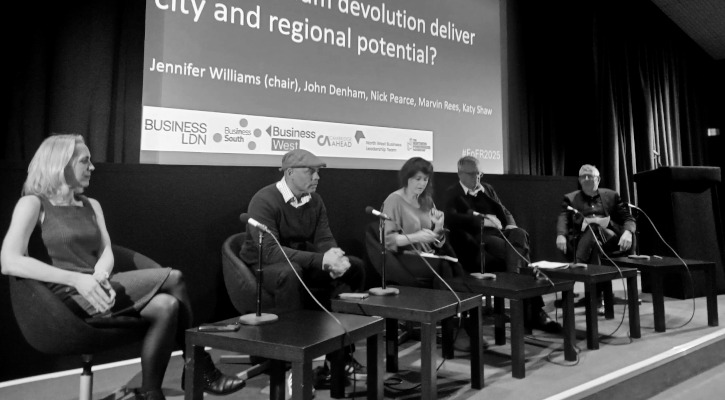
<p>We recently attended the Festival of Flourishing Regions 2025 (#FoFR2025).  The Festival aims to promote and celebrate the role that cities and regions play in the economy and prosperity of the country and look at how regions can drive the growth agenda of the government. Read Emma Harvey, CEO of Trinity Community Arts review of the event:</p>
<p>“At the heart of this week’s Festival of Flourishing Regions 2025 (#FoFR2025) at the Watershed was a recurring question: <i>Who truly benefits from growth?</i> Economic expansion and large-scale developments continue to bypass existing communities, leaving people clinging desperately to their sense of place, fearful of disruption. Nimby-naysayers, blocking our prosperity.</p>
<p>Bristol City Council leader Tony Dyer began with early reflections – and perhaps a warning – about the risks of growth without stability and prosperity without equity. He highlighted the need to shift toward <i>preventative public services </i>that operate proactively rather than merely reacting to crises. This was echoed by experiences of Stephen Peacock, the leader of the Combined Authority, who highlighted the real pressures of escalating expenditure on temporary accommodation hindering efforts to implement permanent solutions.</p>
<p>Palie Smart from the University of Bristol captured a key theme: <i>The power of powerful relationships… only when we get together can we tackle complex challenges.</i> But, how do we come together to build a vision for region that flourishes for us all when so many are paralysed by the continual threat of precariousness? As Andy Westwood surmised, <i>people are putting more in than they’re getting out”. </i>Why should any of us care about an empty promise of productivity when wealth accumulates at the top while wages stagnate in the middle and those at the bottom are propped up by a living wage that can’t keep pace with an out of control rental market? Why should  I care who’s in charge if power remains centralised and only deepens the majority’s sense of powerlessness? As Arrested Development’s lyrics go, <i>the word ‘cope’ and the word ‘change’ is directly opposite, not the same.</i></p>
<blockquote class="pullquote">"Citizens for Culture is an opportunity to do just that – in a region of rural and urban wealth and deprivation how do we build a shared identity, weaving and crafting an authentic narrative to define our place in the world." Emma Harvey</blockquote>
<p>If we want real progress, we need to move beyond survival and towards meaningful transformation.</p>
<p>Iain Gray spoke about the need for innovation and the importance of setting clear priorities and pursuing them ruthlessly and talked fondly of memories of the 2012 Olympics. While many remember this fondly for artistic ceremonies celebrating the best of British culture, I can’t help but think about what that ruthlessness looked like in reality; the permanent loss of century-old  covenanted land, the Manor Gardens allotments. I think about that and wonder, more than a decade on, do people still feel the benefits of that cement walkway in the same way as the communal land it replaced?</p>
<p>This tension between social mobility, productivity and asset-based community development ran through many discussions. Harriet Fear touched on the power of <i>new ideas in old buildings</i> with an example of a startup thriving in a former pigsty. It was a reminder that we overlook the value of what we already have we lose those in unusual corners and crevices where minds connect, imaginations are ignited and ideas are formed.</p>
<p>From public infrastructure projects, the much lambasted HS2 to regional funding pots and the constant churn of central government infrastructure funding pots locked needlessly to short-term political cycles. That churn of out with the old in with the new. 14 growth strategies in 16 years. Yet here we are, no closer to a solution that works for everyone.</p>
<p>Jim O’Neill places some of that blame at the foot of the merciless 247 news cycle that reduces everything to 15 seconds of infamy. As does former Bristol Mayor Marvin Rees who talked of the toxic trolling limiting our ability to attract and keep people even wanting to work in a political space.</p>
<p>With so much focus on productivity centred around, aerospace, tech, and defence, what actually makes a city like Bristol ‘sticky’ place people want to call home? It’s all about food and friends and gigs and carnivals and sound systems and heritage, and culture and and and…yet if it wasn’t for Katy Shaw who said, “c<i>ulture isn’t an add-on—it’s intrinsic to regional growth strategies”, </i>you’d be forgiven for thinking our route to happier healthier lives could be delivered by chips and wings and missile nose cones.</p>
<p>When mulling over our collective lot, we can all be too good at talking about what we don’t have. The poverty of capacity, devolved funding for culture that still remains fragmented, or the challenges in land use, where freehold sites are given away for developments never realised. <i>Using your powers wisely, </i>has never been more important. This tied directly into our work with partners to deliver <a href="https://ldap2.3ca.org.uk/about/news/latest-news/fill-in-our-survey" class="internal-link">Roots of Resilience</a>, which explores how community buildings can be leveraged by the voluntary sector to safeguard spaces, creating a holistic approach that blends the old with the new.</p>
<p>If we start from a place of what we<i> do </i>have – our wealth of talent, ideas skills, assets – as investment decisions shift to combined authorities – we can try to ensure that investment isn’t just about <i>top-down</i> economic development but enables communities to shape their own futures. As Nick Pearce spoke of the urgent need to structure <i>deliberative democratic processes as part of these devolved regions – </i>ensuring citizens have a direct say in how their regions evolve – I was bouncing out my seat ready to shout about our work to deliver the first regional Citizens’ Assembly for Culture, in September 2025 – giving people a stake in shaping the future of devolved investment in the creative and cultural industries.</p>
<p>In a fractured system where few understand how regional authorities operate, John Denham noted, rarely do we get a chance to sit down and ask, <i>what do we have in common?</i> Citizens for Culture is an opportunity to do just that – in a region of rural and urban wealth and deprivation how do we build a shared identity, weaving and crafting an authentic narrative to define our place in the world.</p>
<p>This isn’t about growth. It’s about betterment. Creating places where people can hope for more than just to survive. Where economic strategies don’t just serve a privileged few but create lasting, equitable prosperity.</p>
<p>The Festival of Flourishing Regions made it clear: the power to shape our future exists, but only if we have the courage to grab hold of it.”</p>
<p>Emma Harvey, CEO Trinity Community Arts</p>
<p>#FoFR2025</p>]]></content:encoded>
    <dc:publisher>No publisher</dc:publisher>
    <dc:creator>sarah</dc:creator>
    <dc:rights></dc:rights>
    
      <dc:subject>emma</dc:subject>
    
    
      <dc:subject>citizens for culture</dc:subject>
    
    <dc:date>2025-02-05T09:40:00Z</dc:date>
    <dc:type>News Item</dc:type>
  </item>


  <item rdf:about="https://ldap2.3ca.org.uk/about/news/latest-news/getting-discomfortable">
    <title>Getting Discomfortable</title>
    <link>https://ldap2.3ca.org.uk/about/news/latest-news/getting-discomfortable</link>
    <description>Trinity's CEO Emma Harvey reflects on comfort, justice and freedom of expression </description>
    <content:encoded xmlns:content="http://purl.org/rss/1.0/modules/content/"><![CDATA[<p><iframe frameborder="0" height="420" src="https://www.youtube.com/embed/HT99Bx-gFa0?si=MOPMERhhZj-eNXgk" title="YouTube video player" width="725"></iframe></p>
<blockquote class="pullquote"><span class="discreet">The Seers, Welcome to Deadtown, 1990</span></blockquote>
<p> </p>
<p><i>On the day of the announcement that Bristol intends to bid to become UK City of Culture 2029, Trinity's CEO Emma Harvey reflects on comfort, justice and freedom of expression...</i></p>
<p>Folk are fed up with feeling broke. With political change being slow. With public services not working properly. Fed up of being polite and patient while people with power blame and game. Time poverty shrinks our lives. The ground beneath us feels uncertain.</p>
<blockquote class="pullquote"><span class="discreet">This town is dead, it's a living hell...</span></blockquote>
<p>I listen to the Seers and scroll through socials. It's the day after Martin Luther King Jr Day. A day that since Regan’s office has been marked as a US federal holiday. Jeanne Theoharis - who's has spent decades interrogating the myths we tell about one of the most recognisable civil rights activists - reminds us,<i> injustice is comfortable for too many people. </i>Silence permits cruelty. Comfort begets control.</p>
<p>A legacy that may have at times become flattened into a dreamy utopia, with King upheld as a non-threatening ‘colourblind’ figure. This isn’t accidental. It reassures the status quo and eliminates discomfort, to uphold politeness at the expense of justice.</p>
<p>The removal of free national parks on MLK Day and Juneteeth may serve as a reminder of King’s rage at economic and health injustice, his clarity about power and the complicity of politeness. His insistence that financial and political imbalances block true democracy if not robustly challenged. Politeness + comfort ≠ change.</p>
<p>Back in Bristol, I read a newsletter from <a class="external-link" href="https://www.curiosityunltd.com/">Curiosity UnLtd</a> who's Creativist leader Julz Davis been driving a campaign for Bristol to celebrate it’s role as Home of Civil Rights in the UK. Recognition of Bristol as <i>a city of changemakers not waiting for permission and making their own opportunities.</i></p>
<p>That's the spirit of Bristol that matters. Not as branding, but as a way of being and just getting on with stuff. Because waiting for permission is another form of comfort. And comfort is what shrinks our minds and our worlds.</p>
<p><i>Art doesn’t decorate movements. It sustains them</i>, says Julz. Creativity that's about truth-telling and shining a light on injustice where regular discourse falls short. A culture of asking difficult questions whilst also celebrating joyously that helps us imagine the ancestors we want to be and the role we want to plan in the world we’ll eventually leave behind.</p>
<p>We’re all frogs in the pot. Going along with process because we’re all so deep in it. Accepting the terms. Competing for funds like City of Culture and Pride in Place. A window of opportunity, but a window nonetheless that risks creating a sense of scarcity and of pitting places and communities against each other for central government funding, even though we know culture is a public good and civic life is essential to all of us. Without addressing that power of how we consider and distribute resources, participation is theatre not justice.</p>
<blockquote class="pullquote"><span class="discreet">I want to shout but I can’t make a sound<br />Without the whole town coming down<br />There’s no-one around<br />I can’t dance, I can’t sing, I can’t do anything<br />Welcome to deadtown</span></blockquote>
<p>The song continues as I read social posts asking so what...what can culture do about all that? <i>These things tend to be gravy trains for a few. It will make no difference to most of us.</i> This can be true, but that does not mean that we should not at least try.</p>
<p>That's the challenge of a <a href="https://ldap2.3ca.org.uk/about/news/latest-news/city-of-culture-bid-2029" class="external-link">UK City of Culture year for Bristol</a> and we must take up that challenge if the benefits are to be felt. Bristol, like the UK doesn't lack creativity and is seen to be comparatively culturally resourced. But this hides more complex narratives, not least that we have a creative workforce that delivers far beyond the city's geographical boundaries, working across the UK on major cultural commissions and festivals, including playing visible roles in the delivery of City of Culture programmes in other UK cities.</p>
<p>And yet still we're a city whose networks can feel opaque and decision-making spaces unreachable. Systems that aren’t designed to make space for the art of the possible. People are muted. Expression is risky. Joy is rationed.</p>
<p>On the flipside, culture is passion. It’s activism. It’s identity. It's a shared memory. It’s the space where difficult conversations can happen - not as abstract debates, but as continued deliberation - a relay race passing the baton onto the next generation to build from where we tried and got some stuff right but still have work to do. Culture doesn’t change the world on its own: it creates the conditions for change. In a sea of voices telling us what to think and who’s right and who’s wrong it gives us a moment to close our eyes and hear our own voice and a tool to convert that voice into action to take about what matters to us.</p>
<p>The real test isn’t whether the whole city agrees or disagrees that we should go for this. It’s whether we stay in the room when things start to get uncomfortable - or even show up in the room when we’re invited. Discomfort isn’t the enemy - it's possibility. Talking to someone you disagree with and softening our edges. Taking a chance on a new artwork and seeing the world through a different lens. Speaking to a stranger and learning something new. Letting your certainty wobble to bring a skip to your step.</p>
<p>New worlds are built from shared courage. We don’t have to have all the answers right now. That’s why it’s called <i>work</i>. Believe in this. Believe in us. We’re all we’ve got. We’re our best chance. The work that needs doing will only come from us, together - locally and globally - communities refusing silence, complicity, refusing the polite status quo.</p>
<p>Shout in support of Bristol UK City of Culture. Shout in disagreement. Shout from the rooftops. It’s our time to bring our global town alive. Let’s go dream big.</p>
<p><i>This is an opinion piece by Emma Harvey. <a href="https://ldap2.3ca.org.uk/about/news/latest-news/city-of-culture-bid-2029" class="internal-link">Click here to read more</a> about Bristol's UK City of Culture bid.</i></p>]]></content:encoded>
    <dc:publisher>No publisher</dc:publisher>
    <dc:creator>&lt;object object at 0x7faffd6c2580&gt;</dc:creator>
    <dc:rights></dc:rights>
    
      <dc:subject>emma</dc:subject>
    
    <dc:date>2026-01-20T15:25:00Z</dc:date>
    <dc:type>News Item</dc:type>
  </item>


  <item rdf:about="https://ldap2.3ca.org.uk/contact/meet-the-team/emma/free-speech-wars-how-did-we-get-here-why-does-it-matter">
    <title>Free speech wars: How did we get here &amp; why does it matter?</title>
    <link>https://ldap2.3ca.org.uk/contact/meet-the-team/emma/free-speech-wars-how-did-we-get-here-why-does-it-matter</link>
    <description>Book of essays incl one by Team Trinity; diverse voices explore who gets to exercise free speech, what happens when powerful voices are challenged, and how free speech has been weaponised in various debates

</description>
    <content:encoded xmlns:content="http://purl.org/rss/1.0/modules/content/"><![CDATA[<p><em><a class="external-link" href="https://manchesteruniversitypress.co.uk/9781526151162/">The Free Speech Wars</a></em>, edited by Charlotte Lydia Riley and published by Manchester University Press (2020), is a collection of essays that examines the complexities and debates surrounding free speech in contemporary society.</p>
<p>The book features a co-written essay by Trinity team members <a href="https://ldap2.3ca.org.uk/contact/meet-the-team/emma" class="internal-link">Emma Harvey </a>and <a href="https://ldap2.3ca.org.uk/contact/meet-the-team/edson" class="internal-link">Dr Edson Burton</a> titled <i>In a diverse society, is freedom of speech realisable?</i></p>
<p>The pair discuss the challenges of balancing free speech with building safe and inclusive intersectional community spaces. They reflect on experiences where competing equality agendas have led to conflicts, highlighting the complexities faced by those managing public spaces in fostering open dialogue while ensuring inclusivity means just that.</p>
<p>The book brings together a diverse group of commentators, activists, and academics to explore who gets to exercise free speech, the consequences when powerful voices are challenged, and how free speech has been weaponised in various debates.</p>
<p>It delves into the spaces and structures of speech, such as mass media, universities, public events, political rallies, and the internet, and investigates how acts like censorship, boycotts, and protests have evolved historically and inform present discussions.</p>
<p>Other essays include:</p>
<p><strong>Gabriel Moshenska</strong>: <i>Anatomy of a 'trigger warning' scandal </i>Moshenska recounts a personal experience where his inclusion of content warnings in a course on the forensics of genocide and modern warfare became the centre of controversy and the broader context of academia and free speech</p>
<p><strong>Shaun McDaid &amp; Catherine McGlynn:</strong> <i>Free speech and preventing radicalisation in higher education</i> Examines the impact of the UK's Prevent duty on free speech within universities, advocating for its abolition, highlighting how the policy inadvertently suppresses legitimate discourse in higher education.</p>
<p><strong>Paul Whickman</strong>: <i>Teaching 'freedom of speech' freely </i>Whickman reflects on his experiences teaching literary censorship and free speech and discusses the importance of fostering a respectful and diverse environment to encourage open dialogue.</p>
<p>These essays, among others in the collection, provide nuanced perspectives on the multifaceted debates surrounding free speech, its limitations, and its implications in various societal contexts.</p>
<p class="callout"><a class="external-link" href="https://manchesteruniversitypress.co.uk/9781526151162/">The free speech wars</a>:  How did we get here and why does it matter? edited by Charlotte Lydia Riley is available to buy from Manchester Univeristy Press, £14.99</p>]]></content:encoded>
    <dc:publisher>No publisher</dc:publisher>
    <dc:creator>&lt;object object at 0x7faffd6c2580&gt;</dc:creator>
    <dc:rights></dc:rights>
    
      <dc:subject>edson</dc:subject>
    
    
      <dc:subject>emma</dc:subject>
    
    <dc:date>2020-11-30T09:20:00Z</dc:date>
    <dc:type>News Item</dc:type>
  </item>


  <item rdf:about="https://ldap2.3ca.org.uk/activities/music-youth/news/diversifying-the-workforce-one-job-at-a-time">
    <title>Diversifying the workforce, one job at a time</title>
    <link>https://ldap2.3ca.org.uk/activities/music-youth/news/diversifying-the-workforce-one-job-at-a-time</link>
    <description>With the DWP's announcement of their Kickstart Scheme, Trinity explores what such jobs might mean for the Creative industries</description>
    <content:encoded xmlns:content="http://purl.org/rss/1.0/modules/content/"><![CDATA[<p><img src="https://ldap2.3ca.org.uk/activities/music-youth/news/TrinityMakingTracksYouthMusicSectorDevelopmentDay.JPG" alt="Trinity Centre Youth Music Bristol " class="image-inline" title="Trinity Centre Youth Music Bristol " /></p>
<p><span class="discreet">Students and professionals take part in a Making Tracks sector sharing day. <a href="https://ldap2.3ca.org.uk/activities/music-youth" class="internal-link">Making Tracks</a> is a  life changing music making project delivered by us, in partnership with leading youth services providers Basement Studios and ACE. Photo Paul Blakemore</span></p>
<p><strong> With the DWP's announcement of the Kickstart Scheme, Trinity explores what such jobs might mean for the Creative industries</strong></p>
<p>People from lower socio-economic backgrounds make up just 12% of the workforce in the creative industries, despite being 44% of the UK population and the Creative Industries Federation highlight the inherent inequality within the creative and cultural workforce across almost every protected characteristic.<br />Covid-19 will mean high unemployment for young people, as well as having profound impact on the cultural and creative industries.Diversifying the creative industries remains high on the agenda with the Creative Industries Federation citing lack of diversity still a persistent failing across the sector.</p>
<p><strong>Possible redundancies may only serve to harm representation through the loss of junior workforce.</strong></p>
<p>At a time when we need to do more to create alternative pathways, the challenge has been compounded by the pandemic with more experienced people willing to volunteer time or remain in lower-paid roles and less job-mobility at senior or executive level.</p>
<p>The announcement of more detail about the Government's Kickstart Scheme in September 2020 offers some hope - with opportunities created for paid employment for unemployed 18-24yr olds.</p>
<p>But it is by no means a magic bullet and must be accompanied by strong youth provision to ensure that those who stand to gain most from such placements are given every opportunity to access and succeed in any roles created.</p>
<p>Though many will know Trinity as one of the most loved and iconic music venues in the city, what many don't know is that Trinity has delivered youth arts training since 2005, providing creative courses for young people, with a focus on working with those Not in Education Employment or Training (NEET), in partnership with Education Unlimited, City of Bristol College, Weston College, as well as Bristol’s wider youth sector.</p>
<p><strong>Personal development through creative expression can be a critical factor in a young person's success.</strong></p>
<p>Since 2018 we have led a <a href="https://ldap2.3ca.org.uk/activities/music-youth" class="internal-link">Youth Music funded consortia</a> with Basement Studio and Aspiration Creation Elevation working with 250 young people from challenging circumstances annually, giving them a chance to realise their potential through participation in arts and culture, giving access to free music-making which has truly been a life-changing opportunity for those who come through our doors.</p>
<p>Through our a decade of delivery, we are now part of a network of specialist providers who support with referrals, pastoral care and progression. Being part of this network who work to support the needs of NEET young people is a combined effort it is clear that, in most cases, multiple cross-sector agencies are involved in supporting a young person on their journey. The success of Kickstart in really changing the lives of those who need this chance the most rests on the ability to mobilise a cross-sector approach and support employers to help them realise the potential of a diverse young workforce.</p>
<p>Trinity has been part of a number of youth education and employment schemes historically, including The Future Job Fund, cited by NIESR as one of the most successful back-to-work schemes in history. Schemes such as FJF and the Creative Employment Programme have meant that we have been able to provide 33 young people aged 18-24 through with paid-internships since 2009, providing alternative pathways into creative industries.</p>
<p>Though not always perfect, they show us that <strong>this investment can provide a critical pathway into the creative workforce</strong> - over 1/4 of young people taken on via an internship remained employed at Trinity beyond the grant-funded post, including our Venue Manager Jamell, who started with us in 2010 on a 6mth FJF placement.</p>
<p><a href="https://ldap2.3ca.org.uk/activities/music-youth/news/jamells-story" class="internal-link">Read more about Jamell's story, here.</a></p>]]></content:encoded>
    <dc:publisher>No publisher</dc:publisher>
    <dc:creator>&lt;object object at 0x7faffd6c2580&gt;</dc:creator>
    <dc:rights></dc:rights>
    
      <dc:subject>emma</dc:subject>
    
    
      <dc:subject>young people</dc:subject>
    
    
      <dc:subject>trinity</dc:subject>
    
    <dc:date>2020-09-15T12:55:00Z</dc:date>
    <dc:type>News Item</dc:type>
  </item>


  <item rdf:about="https://ldap2.3ca.org.uk/about/news/latest-news/becoming-legends-in-our-own-time-fighting-for-community-ownership">
    <title>Becoming Legends in Our Own Time: Fighting for Community Ownership</title>
    <link>https://ldap2.3ca.org.uk/about/news/latest-news/becoming-legends-in-our-own-time-fighting-for-community-ownership</link>
    <description>Opinion piece by CEO Emma Harvey on the fight for community ownership in England, why the current system stacks the odds against local groups, and what we can do about it</description>
    <content:encoded xmlns:content="http://purl.org/rss/1.0/modules/content/"><![CDATA[<p class="mceContentBody documentContent"><img src="https://ldap2.3ca.org.uk/about/news/latest-news/a70918aec1db409ab29f2a13cecf0968.jpg/@@images/e6457cdb-c53e-4360-8df8-9ef88ac09bb9.jpeg" alt="" class="image-inline" title="" /></p>
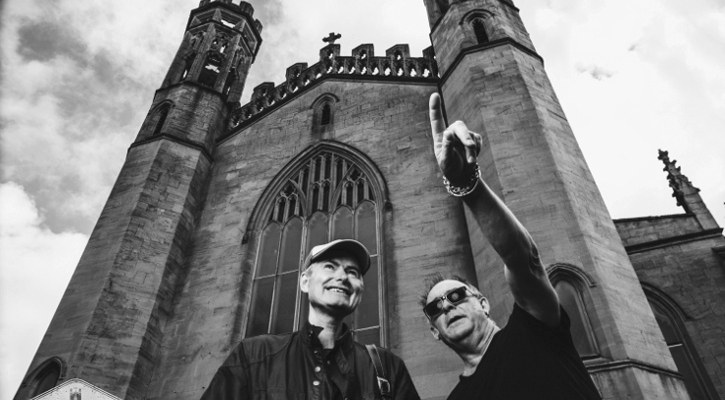
<p class="mceContentBody documentContent" style="text-align: right; "><i><span class="discreet">John Parish &amp; Adrian Utley supporting Trinity's #Notes4Notes campaign, 2013</span></i></p>
<p class="mceContentBody documentContent" style="text-align: left; "><i> </i><span style="font-weight: bold; ">The battle over who gets a say about the land under our feet is a tale as age-old as Robin Hood.</span></p>
<p>As the housing crisis shows no sign of letting up, this can mask the much wider picture of what it truly means to build sustainable, thriving neighbourhoods where people want to carve out lives. Despite the government’s stated commitment to community empowerment, the closure of the Community Ownership Fund (COF) marks a significant setback leaving the future of community-led asset ownership uncertain.</p>
<p>Even with schemes like COF, the task of taking on a building is one with many obstacles. In England’s fight for community spaces, the Asset of Community Value (ACV) system, while noble in its intention, offers little protection against the weight of market forces. Unlike Scotland’s Community Right to Buy, which grants legal power to force a sale to qualifying community interest groups, England’s system merely offers a temporary pause on commercial disposal, with no obligation placed on asset owners to prioritise community buyers.</p>
<p>This leaves communities having to balance professionalism needed to lever required funds whilst simultaneously growing noisy public campaigns to put of other buyers. If they’re in no rush to sell, the owner will simply wait for the six-month moratorium to lapse before proceeding with sale to the highest bidder, as with Coexist’s campaign to save Hamilton House. Even where groups manage to raise substantial funds and deliver successful public campaign, efforts can be swept aside in a heartbeat by a developer with deeper pockets.</p>
<p>There is marginally greater hope when a building is owned by a Local Authority, where campaigners can cite continued social value. However, securing a community asset transfer can be challenging in the current context with councils under pressure to balance deficit budgets. The temptation of commercial disposal can be hard to resist.</p>
<p>Keeping buildings in public ownership is one of the biggest challenges. Many councils are eager for a quick exit from liabilities such as their expensive portfolio of rapidly dilapidating buildings. By the time an asset reaches a state of severe disrepair, disposal becomes the only logical option; a short-term fix that plugs a budget gap at the expense of long-term social, economic, and health benefits.</p>
<p>People think of the legend of Robin Hood as a story of outlaws robbing the rich, but at its core, it is a tale of defiance against this type of land-based power. The struggle to protect or reclaim what belongs to the people – whether it’s indigenous land reclamation struggles against tech giants mining for precious minerals, tenant unions resisting evictions and rent hikes, community land trusts securing affordable housing, local campaigns fighting to save a building on their doorstep, or even Greenland telling Trump “no means no” – is a narrative deeply rooted in our human condition, local to global.</p>
<p>In this latest telling of the story, we’re not just saving buildings. We’re saving ourselves. Every step we take to save a space is an act of political defiance, challenging the systems that concentrate land and wealth in fewer hands. Community management of buildings unlocks external funding, supports local well-being, and keeps spaces in public hands. It is in these everyday battles to save our spaces that the greatest transformations are forged, proving that resilience, solidarity, and vision to reshape a future in which communities work together to solve some of our shared problems.</p>
<p>Like Robin Hood’s battle against feudal land grabs, the movement for community ownership is about more than individual buildings, it’s about reshaping an entire system. If we only defend one asset at a time, we won’t keep up with the pace of change and we’ll fail to address the structural inequality that means some the odds are stacked against some more than others. Instead, we must challenge the structures that keep land and power concentrated among the few.</p>
<p align="left" class="western">Rather than accepting when our decision-makers tell us the cupboards are bare, we need to all be asking more questions of our elected representatives to demand greater transparency around how we’re making best us of the resources we do have.  The question isn’t just: <em>How can we save this building?</em> It’s: <em>How can we reclaim control over the places that shape our lives, for the good of all of us?</em></p>
<p align="left" class="western" style="line-height: 115%; "><em>Opinion piece written by Emma Harvey, CEO</em></p>
<h3><strong>How to help</strong></h3>
<p><strong><a class="external-link" href="https://www.bristol.gov.uk/residents/people-and-communities/community-centres-and-facilities/community-right-to-bid">Register a building</a> as an Asset of Community Value (ACV); </strong>this gives your community the right to bid for it if it's put up for sale, helping to protect important local spaces from unwanted development or loss.</p>
<p><strong><a href="https://ldap2.3ca.org.uk/about/news/latest-news/roots-of-reslience" class="internal-link">Read about</a> our Roots of Resilience campaign; </strong>show your support by contacting your Local Councillor to tell them about the importance of civic and cultural spaces in your neighbourhood.</p>
<p><strong><a class="external-link" href="https://historicengland.org.uk/listing/protect-historic-places/apply-for-listing/#:~:text=Sign%20in%20and%20use%20the,that%20appear%20on%20the%20NHLE.">Nominate a building </a>to be listed as a heritage asset; </strong>care about the future of a historic place you know and love? Anyone can recommend a building, site, monument, designed landscape, battlefield or wreck site for inclusion on the National Heritage List for England (NHLE).</p>
<p><strong><a class="external-link" href="https://members.parliament.uk/FindYourMP">Write to your MP</a></strong> to call for a UK-wide "Community Right to Buy" to enable communities to take ownership of local assets, along with other measures like a new flexible Community Ownership Fund and support for community businesses to help combat structural inequity in asset management.</p>
<p class="callout" style="text-align: left; "><span style="font-weight: bold; ">...and don't forget to VOTE 1st May! </span>The West of England Mayor has the power to shape investment in civic and cultural infrastructure across the region. This election is a crucial chance to ensure decisions are made that benefit <strong>all</strong> of us. Don't forget to use your power to vote and make sure you <strong>ask your candidates what will they do to ensure investment reaches local communities so they can take on and develop vital community assets.</strong></p>
<h3><span style="font-weight: bold; ">Resources</span></h3>
<p><strong>Ask your local Councillor:</strong></p>
<ol>
<li>How is the council prioritizsng and funding investment in community assets, and what opportunities exist for community partnerships or asset transfers?</li>
<li>Are there underused or surplus council properties that could be repurposed for community benefit, and what funding mechanisms (e.g., CIL, Section 106) can be utlised to better support this model?</li>
</ol>
<p><span style="font-weight: bold; ">Ask your local MP:</span></p>
<ol>
<li>Will the government introduce stronger legal protections, such as a Right to Buy or compulsory purchase powers for communities, to prevent vital spaces from being lost to private development?</li>
<li>Will the government commit to establishing a dedicated, long-term funding programme like Scotland’s Land Fund, to better enable communities to protect the assets that matter to them?</li>
</ol>
<p><span style="font-weight: bold; "> </span></p>
<p align="left" class="western"><strong>Links:</strong></p>
<p align="left"><a href="https://locality.org.uk/">Locality</a> - Provides expert guidance and resources for community-led organizations to establish and sustain community assets.</p>
<p align="left"><a href="https://mycommunity.org.uk/">My Community</a> - Provides tools and advice for communities to take ownership of local assets and influence local decision-making.</p>
<p align="left"><a href="https://www.platformplaces.com/">Platform Places</a> - Assists communities in repurposing vacant or underused buildings into vibrant community spaces.</p>
<p align="left"><a href="https://www.sharedassets.org.uk/">Shared Assets</a> - Offers support for managing land and buildings as sustainable community resources.</p>
<p align="left"><a href="https://www.stirtoaction.com/">Stir to Action</a> - Delivers training and workshops focused on social enterprise and community-led development.</p>
<p align="left"><a href="https://plunkett.co.uk/">The Plunkett Foundation</a> - Supports rural communities in setting up and running community-owned businesses, including buildings.</p>
<p align="left"><a href="https://voscur.org/">Voscur</a> - Offers support services for voluntary and community groups in Bristol, including guidance on managing community buildings.</p>
<p style="text-align: center; ">#WECA #WestOfEngland #MyVoteMyVoice #UseYourVote</p>
<p style="text-align: center; ">#CommunityPower #SaveOurSpaces #SoldFromUnderYou</p>
<div id="_mcePaste" style="width: 1px;">
<div></div>
</div>]]></content:encoded>
    <dc:publisher>No publisher</dc:publisher>
    <dc:creator>&lt;object object at 0x7faffd6c2580&gt;</dc:creator>
    <dc:rights></dc:rights>
    
      <dc:subject>emma</dc:subject>
    
    <dc:date>2025-04-01T16:05:00Z</dc:date>
    <dc:type>News Item</dc:type>
  </item>


  <item rdf:about="https://ldap2.3ca.org.uk/about/news/2021/at-arms-length-in-arms-reach">
    <title>At arms length and in arms reach</title>
    <link>https://ldap2.3ca.org.uk/about/news/2021/at-arms-length-in-arms-reach</link>
    <description>Politics can be intrinsic to, whilst also remaining separate from, the work of charities</description>
    <content:encoded xmlns:content="http://purl.org/rss/1.0/modules/content/"><![CDATA[<p class="western" style="margin-bottom: 0cm; line-height: 138%; "><img src="https://ldap2.3ca.org.uk/about/news/2021/copy_of_image.png" alt="" class="image-inline" title="" /></p>
<p class="western" style="margin-bottom: 0cm; line-height: 138%; ">When Culture Secretary Oliver Dowden advised 25 of the UK’s most recognisable cultural institutions* <a class="external-link" href="https://www.thirdsector.co.uk/controversy-culture-secretary-looks-warn-charities-against-rewriting-british-history/governance/article/1707420">to be consistent with the Government on issues of contested heritage</a>, voices across heritage and the arts expressed a need for separation between culture and politics.</p>
<p class="western" style="margin-bottom: 0cm; line-height: 138%; ">But when charities faced calls from <a class="external-link" href="https://www.civilsociety.co.uk/news/charity-commission-chair-warns-charities-not-to-engage-in-culture-wars.html">Charity Commission Chair to remain apolitical</a> - a reaction to groups such as The National Trust opting to present the colonial history of some of their properties - the cultural sector was equally unhappy.</p>
<p class="western" style="margin-bottom: 0cm; line-height: 138%; ">This may appear contradictory; on the one hand, arts and heritage charities calling for state and art to be kept separate while at the same time bawking at being told to avoid politicising activity. Maybe artists aren’t that great at being told what to do. Or maybe politics can be intrinsic to, whilst also remaining separate from, the work of charities.</p>
<p class="western" style="margin-bottom: 0cm; line-height: 138%; "><strong>The work of charities is intrinsic to (small p) politics </strong></p>
<p class="western" style="margin-bottom: 0cm; line-height: 138%; ">Arts and heritage charities exist to enrich our understanding of the past and inspire the next generation to build a better future. These aren’t just fluffy-feels. Rather, they are legally defined principles, set out in what is known as ‘Charitable Objects’.</p>
<p class="western" style="margin-bottom: 0cm; line-height: 138%; ">Objects such as, ‘to preserve and promote heritage and arts’, ‘advance education’, or ‘promote equality of opportunity for persons of different racial and cultural identities’, can’t help but touch upon the micro-politics of everyday life.</p>
<p class="western" style="margin-bottom: 0cm; line-height: 138%; ">Objects exist to focus resources and give donors assurance funds will go toward furthering their chosen cause. When we give to charities, we put our trust in them to decide how to best use those resources in pursuit of the Objects.</p>
<p class="western" style="margin-bottom: 0cm; line-height: 138%; ">Funders may request charities use a hashtag in acknowledgement of funds or report on how funds are spent. But, this need for accountability does not take precedent over thee responsibility to stakeholders first and foremost.</p>
<p class="western" style="margin-bottom: 0cm; line-height: 138%; ">As independent legal entities, charities must remain free to decide what activities are most appropriate in pursuit of their Objects, for the good of those they serve. Charities cannot act against their legitimate Objects just to keep someone happy - even when that someone is the Culture Secretary, or the Charity Commission Chair.</p>
<p class="western" style="margin-bottom: 0cm; line-height: 138%; "><strong>Art and (capital P) Politics must be separate</strong></p>
<p class="western" style="margin-bottom: 0cm; line-height: 138%; ">When it comes to funding, this ‘at arms length’ principle is important for the autonomy of all charities and is particularly notable in UK culture, with creation of The Arts Council itself post-WWII to ensure a clear separation between culture and capital P Politics.</p>
<p class="western" style="margin-bottom: 0cm; line-height: 138%; ">This separation of Charity from State is critical as it safeguards the pursuit of a charity's mission from any shift in government priorities.</p>
<p class="western" style="margin-bottom: 0cm; line-height: 138%; ">It means charities can focus on the interests of those they serve rather than being distracted by the interests of those who fund them. They cannot de-prioritise stakeholder interests in the pursuit funds, even where those funds are administered by the Government or public funding bodies such as Lottery. They must be able to maintain their autonomy so they can flex and adapt to meet changing stakeholder needs - not least so they can ensure they remain relevant to an ever diversifying donor pool.</p>
<p class="western" style="margin-bottom: 0cm; line-height: 138%; ">Applying pressure on how legally constituted organisations pursue their legitimate charitable aims - by warning public funding will be ‘scrutinised’ should they not tow the line, for example - is even more problematic right now, due to the financial precariousness of the sector.</p>
<p class="western" style="margin-bottom: 0cm; line-height: 138%; ">Charities exist to make change and pursue activities that help to make life fairer for us all. To use Chris Whitty’s ‘Swiss-cheese’ analogy, they plug any gaps in the wider public sector safety-net. We must protect this freedom at all costs, so charities can respond to the disproportionate impact of the pandemic, amplify stories that give new perspectives to dominant narratives and ensure the art we make remains free from Political constraints.</p>
<p class="western" style="margin-bottom: 0cm; line-height: 138%; "><span style="font-weight: normal; ">Our charities, our</span><span style="font-weight: normal; "> heritage and </span><span style="font-weight: normal; ">our </span><span style="font-weight: normal; ">culture </span><span style="font-weight: normal; ">must remain</span><span style="font-weight: normal; "> independent</span><span style="font-weight: normal; ">. </span><span style="font-weight: normal; ">That</span><span style="font-weight: normal; "> f</span><span style="font-weight: normal; ">reedom</span><span style="font-weight: normal; "> is</span><span style="font-weight: normal; "> more </span><span style="font-weight: normal; ">important</span><span style="font-weight: normal; "> than ever, </span>for the sake of our collective recovery and prosperity. We must distinguish between the Politics to be kept <span style="font-weight: normal; ">at arms length and </span><span style="font-weight: normal; ">that which is central to</span><span style="font-weight: normal; "> our mission if want our vision to remain in arms reach.</span></p>
<p class="western" style="margin-bottom: 0cm; line-height: 138%; "><i>By Emma Harvey, CEO</i></p>
<p><strong>Seven ways to show solidarity</strong></p>
<ol>
<li>Support the work groups diversifying the sector, such as <a class="external-link" href="http://migrantsinculture.com">Migrants in Culture</a> and <a class="external-link" href="https://incarts.uk/">Inc Arts</a></li>
<li>Sign Howell Furber 's petition to encourage <a class="external-link" href="https://www.change.org/p/oliver-dowden-open-letter-to-oliver-dowden-reconsider-your-stance-on-contested-histories/psf/promote_or_share?guest=existing&amp;short_display_name=Emma&amp;recruiter=&amp;source_location=react-fe"><span style="font-weight: normal; ">to reconsider DCMS</span></a><span class="external-link">' <span style="font-weight: normal; ">stance on contested histories</span></span></li>
<li>Follow news about the Hands Off Our Heritage <a class="external-link" href="https://twitter.com/danaksegal/status/1363851251000242179">on social media</a> </li>
<li>Sign up to <a href="https://strikealightfestival.us7.list-manage.com/subscribe?u=9f1196f4f902123320fdfdd70&amp;id=7f5472d813">Strike A Light's mailing list</a> to be part of future cross-sector conversations</li>
<li>Join <a class="external-link" href="https://www.museumsassociation.org/campaigns/decolonising-museums/"><span style="font-weight: normal; ">The Museums Association's campaign</span></a> to decolonise museums</li>
<li><a class="external-link" href="https://members.parliament.uk/FindYourMP">Write to your MP</a> in support of a 'Keep At Arms Length' approach to UK culture</li>
<li>Show your support on social media to those such as <a class="external-link" href="http://twitter.com/nationaltrust">@nationaltrust</a> and other UK arts and heritage charities impacted*, using hashtags such as #KeepItArmsLength #HandsOffOurHeritage</li>
</ol>
<p><span class="discreet">*List of organisations:</span><span class="discreet"> The British Film Institute, British Library, </span><span class="discreet">British Museum, </span><span class="discreet">Churches Conservation Trust, </span><span class="discreet">Historic Royal Palaces, </span><span class="discreet">Horniman Museum, </span><span class="discreet">Imperial War Museum, </span><span class="discreet">Museum of the Home, </span><span class="discreet">National Archives, </span><span class="discreet">National Gallery, </span><span class="discreet">National Museums Liverpool, </span><span class="discreet">National Portrait Gallery, </span><span class="discreet">Natural History Museum, </span><span class="discreet">Royal Armouries, </span><span class="discreet">Royal Museums Greenwich, </span><span class="discreet">Royal Parks, </span><span class="discreet">Science Museum Group, </span><span class="discreet">Sir John Soane’s Museum, </span><span class="discreet">Tate Gallery, </span><span class="discreet">V&amp;A Museum, </span><span class="discreet">Wallace Collection, </span><span class="discreet">Arts Council England, </span><span class="discreet">Historic England, </span><span class="discreet">National Lottery Communities Fund, </span><span class="discreet">National Lottery Heritage Fund</span></p>
<ol> </ol> <ol> </ol>]]></content:encoded>
    <dc:publisher>No publisher</dc:publisher>
    <dc:creator>&lt;object object at 0x7faffd6c2580&gt;</dc:creator>
    <dc:rights></dc:rights>
    
      <dc:subject>emma</dc:subject>
    
    
      <dc:subject>trinity</dc:subject>
    
    
      <dc:subject>community</dc:subject>
    
    <dc:date>2021-02-25T00:00:00Z</dc:date>
    <dc:type>News Item</dc:type>
  </item>


</rdf:RDF>