

Karen's Story: Growing Confidence in the Community Garden
Karen's Story: Growing Confidence in the Community Garden
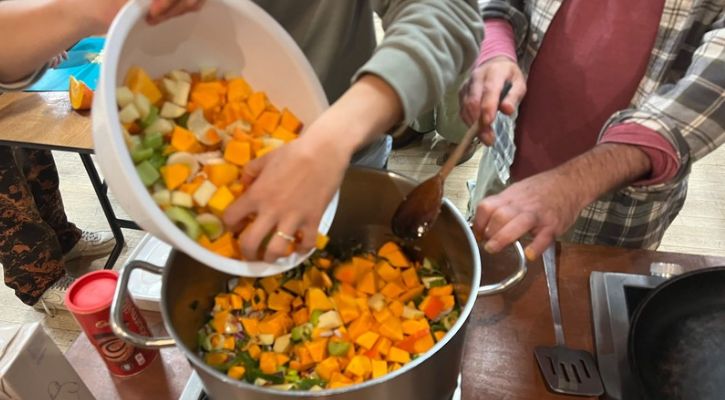
This summer, Trinity and Coexist Community Kitchen came together once again to run our Gardening & Cooking programme in the Community Garden. Combining Coexist's culinary expertise with Trinity's gardening knowledge, participants spent six weeks cooking with seasonal produce, learning practical growing skills and taking part in nature-based arts activities. The programme was originally developed in response to increasing isolation experienced during the pandemic and continues to provide opportunities for people to connect, learn and spend time outdoors.
One of this year's participants was Karen, who attended the sessions alongside her husband, Matt.
Karen first became involved through Coexist Community Kitchen after being introduced through Diverse and attending other community meals and activities. Although she had heard of Trinity before, she had never visited the space and was surprised to discover the garden tucked away in the city.
"The garden is lovely," she says. "You can be outdoors, learn how to use the fire, cooking outside. I've never cooked outdoors before on the fire." Over six weeks, Karen enjoyed developing new skills, from growing and harvesting vegetables to outdoor cooking and creative activities. She particularly valued learning from the team and spending time in nature."Meeting you guys, doing the art has been amazing. I've really enjoyed that. Just being in nature. Being in the city but in nature."
For Karen, the programme offered more than practical learning. As a carer for Matt, finding spaces where they both feel comfortable can be difficult. She says being able to attend together, and knowing Matt felt safe in the environment, made a huge difference.
"He has come every single week. That's a testament to how safe he feels here."
The sessions also helped Karen build confidence socially."I think there's been a connection to nature, being outdoors, meeting new people. I am quite socially awkward, so to actually chat and to feel safe, because I mask a lot, it's been nice to meet new people."
Alongside new friendships and experiences, Karen has taken away practical knowledge she hopes to use at home, from understanding growing cycles to feeling inspired to make more use of her own garden.
She would encourage others to get involved."You learn new skills, new things to cook, how to grow things and how to harvest things."
Karen and Matt are now looking forward to getting more involved with Trinity activities, including attending Trinity's AGM, while continuing their connection with Coexist Community Kitchen.
This year's programme concluded with a Harvest Feast, where participants came together with the Coexist and Trinity teams to share food, celebrate the season's harvest and mark the end of the course. The gathering offered a chance to reflect on new skills, friendships and experiences developed over the course, while enjoying a meal prepared as a group.
To find out more about Trinity's Gardening & Cooking programme and other community activities, chick here.

Learning for all ages
Learning for all ages
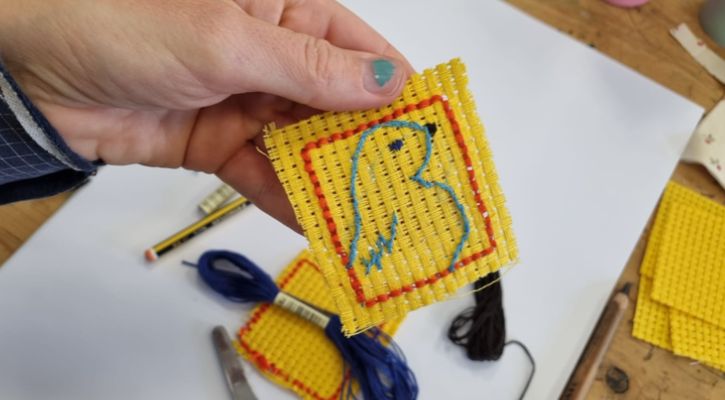
In a recent editorial, The Guardian argued that adult education is about more than qualifications. Reflecting on a new report from MPs, it highlighted how "acquiring new skills can be a first step on a longer journey – a way to begin to imagine different futures".
At Trinity, we're seeing that play out through our adult learning programme.
Working in partnership with SGS College and Bristol School of Art, we've recently welcomed the third cohort of learners onto our Employability Through Arts & Crafts: Skills for Life and Work course. The 15-week accredited programme was developed specifically for Trinity and uses creative activities to support learners to develop communication, teamwork and employability skills.
The programme builds on several years of work with local partners to create accessible adult learning opportunities in our community. Many participants are referred through organisations including Bristol Drugs Project, Horizons, inHope, Aidbox Community, The Junction Project and local health centres, helping people access learning in a familiar and supportive environment.
The course has already supported learners to progress on to further study through SGS College and Bristol School of Art. Others have gone on to volunteer with arts-based projects at Trinity and partner organisations including St Paul's Carnival.
This year's intake has also seen an increase in the number of participants. While the first two cohorts each welcomed around three learners, the current cohort began with 10 people enrolled and attending weekly sessions. The most recent learners have become some of the programme's strongest advocates. Several returned to support taster sessions, sharing their workbooks and experiences with prospective participants and encouraging others to sign up.
The Guardian editorial also notes that "learning can contribute to health and wellbeing" and highlights the importance of relationships in adult education. That resonates strongly with what participants tell us about the course, where shared learning and creativity have helped build connections between people from different backgrounds.
"This course provided a real sense of a community working together which has been so good for me."
At a time when adult education is receiving national attention, this programme demonstrates the value of local, community-based learning. Alongside qualifications and progression routes, it creates space for people to learn together, build meaningful relationships and take part in arts activity that supports their wider health and wellbeing.
Find out more about our community programme and explore upcoming events here.
What does creating space make possible?
What does creating space make possible?
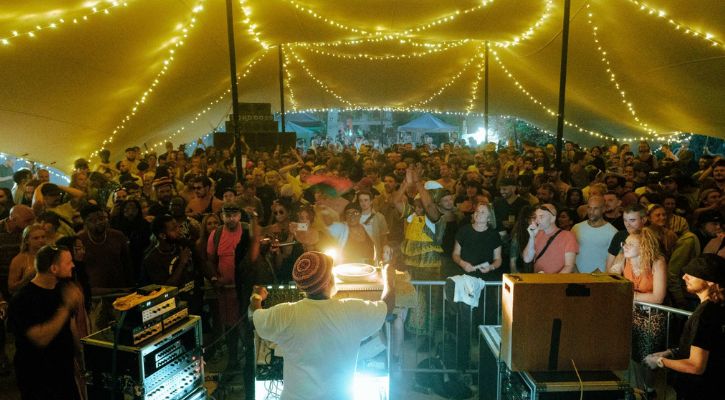
In our first Your Trinity story, Dr. Edson Burton reflected on Trinity's role in giving Black artists, communities and emerging cultural movements space to gather, experiment and be heard. Read here.
That history isn't finished.
In this piece, Jamell Ackford reflects on what creating space for culture looks like at Trinity today, and why it still matters.
Answering the question: what excites you about the artists, sounds and ideas we’re platforming now, and why is creating space for this work still important?
Trinity's history is wrapped up in the birth of many beautiful genres, cradling heritage sounds from the rise of Soundsystem culture in the uk. Creating space for reggae and punk, which holds the space for emerging sounds such as Ska, Jungle, D&B.
What excites me most about the work we do, and the wider programming that happens across the building
What excites me most about the work we do, and the wider programming that happens across the building, is the possibility of creating those 'what the hell is this moment'. The experience of hearing something completely new that reshapes your understanding of music. Artists and sounds coming through Uganda's Nyege Nyege label are a great example of this. Seeing DJ Travella within our walls was an eye-opening moment, which doesn't happen too often.
For me, it's about keeping heritage at the forefront while creating space for the future to emerge in exciting and unexpected ways. Nights such as Teachings in Dub, Pangea (AnExperience), Accidental Meetings and Seedling Sessions, alongside artists like Grove, Batu and Omega Nebula and labels such as Deep Medi and Rupture, all play a vital role in keeping culture moving forward while remaining connected to its roots.
What Does That Look Like Today?
Seedling Sessions x Black Creatives
- Celebrating 50 years of music at Trinity and 10 years of Seedling Sessions with a special Black History Month edition in collaboration with Black Creatives.
- A genre-crossing lineup featuring KWAZI, TIA, iAM13E, MĀDŁY, SOULBEE, Cindy BlackBird and BLCK Stream.
- A celebration of Black creativity, culture and community from Bristol and beyond.
- A joyful, interactive adventure celebrating hidden histories, remarkable lives and Global Majority trailblazers.
- Live music, oral history and imaginative storytelling combine to bring untold stories to life.
- Exploring identity, colonialism and alternative histories through a family-friendly lens..
- Dub legends Iration Steppas bring their heavyweight Leeds soundsystem to Bristol for a highly anticipated edition of Teachings in Dub.
- Going head-to-head with Bristol/Birmingham sound system Concrete Lion in a powerful clash of roots, bass and sound system culture.
- Expect a full-force sound meeting drawing dub heads from across the country.
- UK future dub duo OMEGA NEBULA bring their powerful blend of dub, reggae and electronica to Trinity.
- An immersive live show with added pressure from Sinai Soundsystem
- Pushing dub into new territory with a high-energy fusion of live and electronic performance.
- A festive all-day market celebrating African Caribbean and Black British culture.
- Discover unique gifts, handmade products and local traders offering everything from jewellery to cosmetics.
- Enjoy family-friendly craft activities, storytelling and free badge-making workshops.
Soak up the festive atmosphere with hot sorrell, great music and community spirit throughout the day.
Looking back at Trinity's history, it's clear that some of Bristol's most influential sounds didn't start in the mainstream. They started in community spaces, on grassroots stages and in rooms full of people willing to try something new.
Today's programme continues that tradition. Whether through music, theatre, storytelling or community-led events, we're still creating opportunities for artists and audiences to connect, experiment and imagine what's possible.
Because if our past tells us anything, it's that culture grows when people are given the space to create.
Image credit: Rider Shafique
What happens when you give emerging culture somewhere to grow?
What happens when you give emerging culture somewhere to grow?
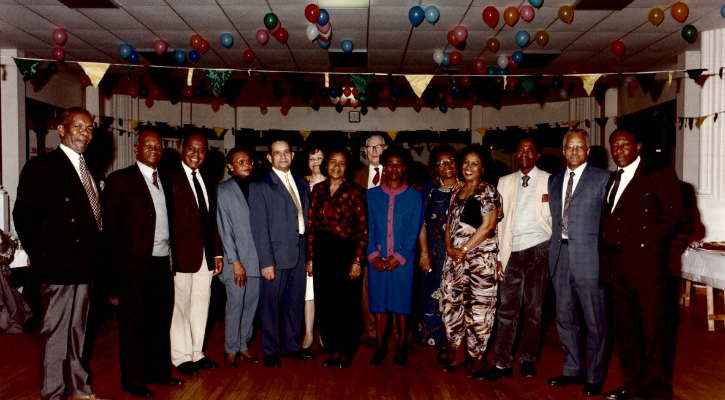
For Black History Month, Edson Burton looks back at the people, music and movements that have shaped Trinity, asking what that history tells us about the importance of giving emerging culture space to grow.
By Edson Burton
“One man’s trash is another man’s treasure.” My mangled version of this aphorism can be applied to the Trinity Centre.
In the 1970s, with congregations falling and maintenance costs rising, the Diocese closed Holy Trinity Church. The building was acquired by Bristol Caribbean Community Enterprise (BCCE), one of several organisations formed by Caribbean migrants to respond to the needs of Bristol’s first and second generations.
Black Bristolians faced multiple levels of marginalisation, from unemployment and inequalities in education to exclusion from parts of Bristol’s nightlife.
Music captured the mood of the time. Creativity born of difficult circumstances was in abundance. Places to practise and express that creativity were not.
Creativity was in abundance. Places to practise and express that creativity were not.
BCCE saw in the cavernous former church an answer to some of the challenges facing the community. It offered skills training, meeting space and somewhere community groups could gather and rehearse. But a younger generation began to see another possibility for the building.
A space for reggae
Reggae was the voice of a younger generation. Heavily influenced by Rastafarianism, it spoke to the marginalisation of the Black poor in post-colonial Jamaica while also finding resonance in the experiences of a second generation of Black Britons.
As Richard Davis remembers:
“We still really didn’t have a lot of access to white clubs... West Indian party, that’s the main entertainment. Sound systems, Tarzan the High Priest, that was everything to us.”
Bristol’s reggae scene grew around sound-system culture. As audiences increased, pubs and blues parties could only accommodate so many people.
Trinity offered something those spaces couldn’t: room to grow.
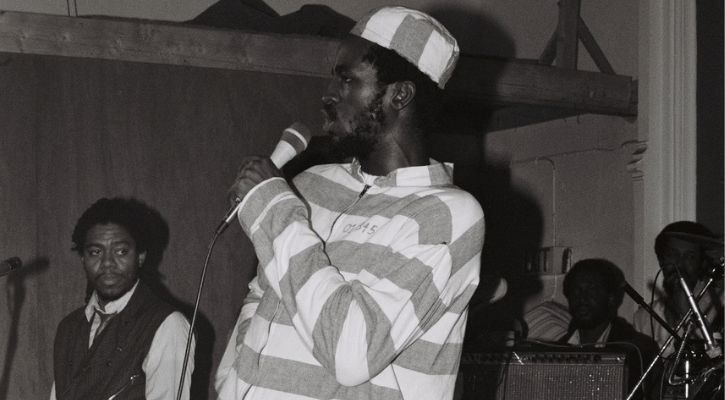
Its 500 to 600-capacity hall provided a next step for Bristol’s developing reggae scene. Trinity outreach worker Roy De Freitas encouraged young people to use the building as a music venue and, from the late 1970s, Trinity became part of a network of grassroots venues providing a home for reggae.
Bristol bands including Black Roots and Misty in Roots performed here, alongside artists including Eek-A-Mouse and dub poets Linton Kwesi Johnson and Benjamin Zephaniah.
These venues were platforming reggae artists well before the music attracted mainstream interest. They gave musicians somewhere to develop their craft in front of audiences deeply connected to the culture surrounding the music.
When cultures meet
Trinity also became one of the spaces where Black and white artists could meet, share ideas and create music.
Out of encounters across Bristol’s music scene came what would eventually become known as the Bristol Sound. Artists including Smith & Mighty and Massive Attack drew inspiration from sound-system culture, bringing influences from reggae and dub together with electronic production.
This is perhaps where the importance of cultural space becomes clearest. Providing somewhere for an existing scene to perform is one thing. Providing somewhere different people can encounter one another can lead to something nobody predicted.
From reggae to rave
After closing in 1984, Trinity reopened in 1987 and again became a home for emerging music.
Audiences gathered around house, hip hop and jungle, while Trinity’s grassroots ethos chimed with the free-party and rave scenes of the period.
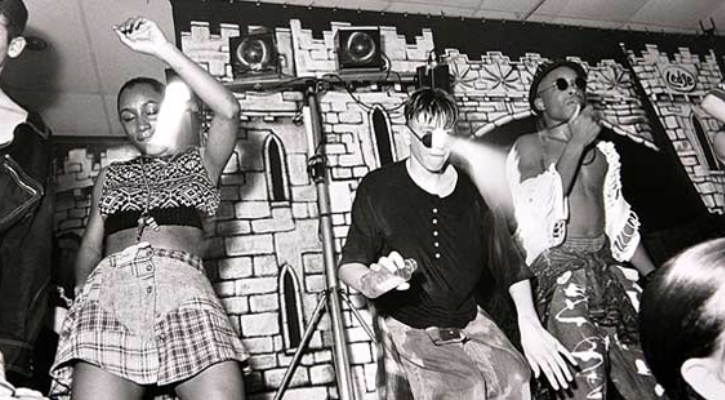
Club nights such as Ruffneck Ting brought artists including Roni Size, Krust and the Full Cycle crew to Trinity as jungle and drum and bass developed into major musical movements.
Live music evolved alongside club culture. The 1990s brought artists including Terry Callier, Galliano and Gil Scott-Heron, while hip hop acts including Public Enemy also appeared on Trinity’s stage.
Across different genres and generations, the pattern is remarkably similar. New sounds emerge outside the mainstream. People build communities around them. Those communities need somewhere to meet, perform and experiment.
Given the right space, they grow.
What does that history mean today?
Trinity reopened under new management in 2004. Since then, iconic sound systems have returned to the hall while new generations of artists have continued to reshape the musical influences that passed through the building before them.
But perhaps the lesson of Trinity’s history isn’t about any individual genre.
Again and again, cultural movements that were marginalised, dismissed or simply not yet understood by the mainstream found audiences in grassroots spaces. Reggae, sound-system culture, jungle and drum and bass did not arrive as established cultural institutions. People made them.
They needed somewhere to do it.
That leaves cultural spaces like Trinity with an important question today: are we prepared to make room for work before it is established, and give artists and communities space to experiment without already knowing the outcome?
Trinity’s history shows what can happen when we do.
Some of the sounds that once sat outside Bristol’s mainstream now form part of the city’s cultural identity. The challenge is creating the conditions in which the next generation can make something of their own.
In conversation: MĀDŁY on 10 years of Seedling Sessions
In conversation: MĀDŁY on 10 years of Seedling Sessions
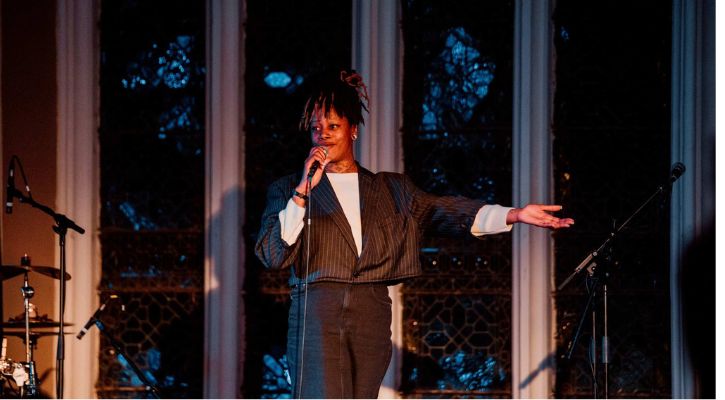
Ten years after the first Seedling Sessions, founder MĀDŁY is marking the anniversary with a Black History Month special at Trinity.
This Sunday, 11 October, seven musicians take to the stage alongside visual artists showcasing and selling their work, as Seedling Sessions joins forces with Black Creatives.
Ahead of the night, we caught up with MĀDŁY about ten years of creating space for emerging artists, what excites her about Bristol’s music scene right now and what she hopes Seedling Sessions can make possible next.
Q: Seedling Sessions is turning 10 this year. Can you tell us a bit about this year’s event and what you’ve got planned?
Seedling Sessions is turning 10 to the day on Sunday, 11th October, and for the occasion I wanted a slightly different format than usual. Instead of having 3 acts from different genres of music, we are showcasing 7 Bristol musicians with different music journeys.
Q: You’re working with Black Creatives for this Black History Month edition. How did that collaboration come about?
I've been wanting to collaborate with Black Creatives for some time, and thought what better occasion to do so than during Black History Month. The Black creative community is very diverse and full of up-and-coming artists, which totally matches with the essence of the event. Being a black creative myself, it makes even more sense to use my platform to highlight fellow musicians.
We are delighted to be joined by artists mixing painting, photography, prints and litterature
Q: There’s a real mix this year, with music, visual art, food and community all part of the programme. What brought those different elements together?
Since it is BHM, we decided to not only focus on music, but put the spotlight on other art forms. Rider Shafique, one of the founders of Bristol's Black Creatives, has put out a call for artists wanting to have a stall to exhibit and sell their art. We are delighted to be joined by artists mixing painting, photography, prints and litterature; Celebrating Black Culture featuring artists including Yum Yum Art, Jodi Hunt and Rider Shafique.
Q: Some of the artists on the line-up, including KWAZI and TIA, are getting a lot of attention through projects like Steeze Factory. What’s exciting you about Bristol’s music scene at the moment?
Bristol's music scene is so eclectic and diverse, it's mind-blowing. I love how a lot of artists are not sticking to only one genre of music and explore a wide palette. I admire how independent the scene still is and how supportive the Bristol community is.
Just like the artists it has promoted over the years, the night developed and got bigger.
Q: Seedling Sessions has been going for 10 years now. What do you think its role is in Bristol’s music and creative scene?
I would like to think that Seedling Sessions is a grassroots showcase that has helped some independent artists and has seen the start of great acts like Holysseusfly or Snazzback. Just like the artists it has promoted over the years, the night developed and got bigger. Since 2024, it has moved to Trinity, which is an iconic independent venue in Bristol. Celebrating 10 years in a grassroots venue, celebrating 50 years only feels right. Trinity being legendary in Bristol, offering an opportunity for up-and-coming artists to play there is a bonus.
Q: And looking ahead, what would you like Seedling Sessions to keep building or making possible?
I would like Seedling Sessions to become a renowned space for emerging talents to get on the radar of bigger promoters, using the space as a stepping stone for their careers. Offering off-stage roles opportunities is also an important part of the programme, as musicians are not the only ones facing challenges breaking into the industry.
See Seedling Sessions Celebrating Black History
Seedling Sessions celebrates its 10th anniversary at Trinity on Sunday 11 October, with seven musicians performing alongside work from Black visual artists available to explore and buy on the night.
Look Back: Community Celebration Day
Look Back: Community Celebration Day
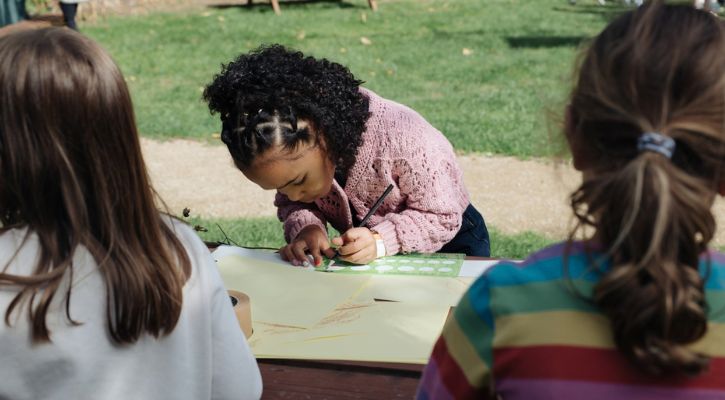
Around 250 people came together at Trinity’s Community Day Celebration for a free programme shaped by the communities who use the space. Through live performances, workshops, exhibitions and shared food, the day celebrated local groups, individuals and organisations that make Trinity special.
Each week, Trinity offers a safe and welcoming daytime space where local people can meet, socialize, learn new skills, enjoy the garden, and be creative.
Planning for this year’s Community Day Celebration began in the spring. We welcomed a group of people with different connections to Trinity, including local residents, volunteers, attendees of weekly groups and artists, to understand their experiences of Trinity and hear how they would like to shape its future.
Together, we explored what Trinity’s annual Community Day Celebration should be. We explored who it is for, what it celebrates and how we can best support people to attend.
Suggestions included collaborations between groups sharing the stage; opportunities for people to lead and participate in poetry, craft and dance workshops; access for grassroots collectives to highlight their community messages; safe spaces for asylum seekers and refugees; space for brown- and black-led events; and a day with no cost to participate.
On the day, we welcomed around 250 people for a free programme of live performances, creative activities, heritage tours, workshops and exhibitions. Performers included Bristol Samba, Gerry’s Attic, Gentle Dance, Sober Spaces, Next Gen Sounds and City Academy’s music group. Colourful Minds and graduates of Borderlands’ Creative Leadership Training programme led workshops and shared skills in embroidery and flower making. Baraka Community Cafe provided delicious soup and samosas.
Young people were not simply invited to perform at Community Day; they also helped shape their involvement. Through Trinity’s youth groups, drop-in music sessions and after-school clubs, participants spent the weeks leading up to the event deciding what they wanted to present, how they wanted to perform and how they would work together. This approach reflects Trinity’s wider commitment to listening to young people and co-creating programmes around the opportunities they say they want and need.
Jake Mensah, Trinity’s Youth Service Manager, said a highlight was seeing young people’s confidence grow as they shared their work with hundreds of people, supported by friends and family. Community Day gave them a safe and welcoming platform to express themselves, try something new and see their ideas valued, an experience summed up by one participant: “I learned that it’s not scary to perform.”
Feedback from the day was overwhelmingly positive:
The whole atmosphere felt joyful, welcoming, relaxed
the range of food offered was really great
the tour ... (was a) sparkling feature of the event. So important to offer this. I learnt a lot about Trinity.
Reflecting on the day Jen Farmer, Trinity's Arts Engagement Manger said: "The next step is to consider who was missing from the day and how to ensure they have a place next time, as we continue our shared journey from collaboration to co-creation.
We hope you will join us next time."
Tesco Groundwork funded the soup and samosas provided on the day.
Thank you to Cakesmith and Extract Coffee for the delicious complimentary treats.
Photos by Ciara Hillyer
Reception Volunteer Call-Out
Reception Volunteer Call-Out
Deadline: This is a rolling recruitment process, and applications will be reviewed as they are received.
As the first point of contact for visitors, this volunteer role offers the opportunity to gain experience in reception, administration, and customer service while supporting the work of Trinity. You'll help welcome visitors, answer enquiries, provide information, and support the smooth day-to-day running of the building.
Location: Trinity Community Arts, BS2 0NW
Availability: Flexible hours Monday to Friday, between 9am and 5pm. Suggested contribution is 2 to 8 hours per week. Actual hours will be agreed between the volunteer and their line manager.
Main Activities
- Covering reception duties and being the first point of contact for visitors
- Answering phone calls, taking messages, and connecting people with the right member of the team
- Directing people around the building to relevant activities and events
- Providing occasional event support
- Contributing to a safe, welcoming, and inclusive environment for everyone who uses the building
Skills and Experience
No specific skills or experience are required for this role. We are looking for people who:
- Are friendly and approachable
- Feel comfortable communicating with a wide range of people
- Are reliable and willing to learn
- Are enthusiastic about supporting their local community
Full training and ongoing support will be provided.
Benefits of Volunteering with Trinity
- Be part of a creative, inclusive, and community-focused organisation
- Gain experience in reception, administration, customer service, and event support
- Work alongside an inspiring mix of staff, artists, and community groups
- Reimbursement of travel expenses (up to £10 per day)
- Guestlist tickets to live music and club events
- DBS check provided, supporting future employability and career development
- Discounts at selected local restaurants, pubs, and cafés
- Professional references available to support future employment, education, or training opportunities
- Tea, coffee and biscuits provided!
How to Apply
- Read the Reception Volunteer role description.
- Please write a brief statement telling us why you are interested in the role and what you would bring to the volunteer team.
- Email your statement to info@trinitybristol.org.uk with "Reception Volunteer" in the subject line.
Please note that recruitment is ongoing and applications will be considered as they are received.
Trinity is committed to equality, diversity and inclusion and actively encourages applications from people of all backgrounds and communities.
We will make reasonable adjustments to the recruitment process if you have a disability or long-term health condition, or if you need something different or additional as part of the application process. To discuss your requirements, please contact info@trinitybristol.org.uk, call 0117 935 1200, or visit the Trinity Office between 9:30am and 4pm, Monday to Friday.
Watch Citizens for Culture
Watch Citizens for Culture
Photo credit: Cirara Hillyer
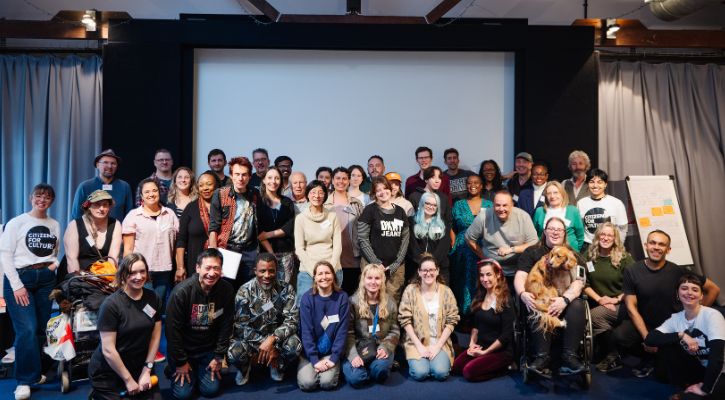
A year ago, 51 citizens from across the West of England came together to explore a big question: what would culture and creativity look like if they were for everyone?
Selected through a civic lottery, they brought different experiences and perspectives. They listened, challenged assumptions and worked together to create the Citizens’ Cultural Plan – a shared vision for creativity and culture across the West of England.
A new independent documentary, commissioned by Citizens for Culture, tells that story from the citizens’ perspective: why they took part, what happened when they came together and what they wanted to change.
Assembly members talk about wanting culture to be “available for as many people as possible”, about seeing their communities better represented, and about the value of bringing different voices together to find stronger solutions.
The film follows their journey through to the moment the Citizens’ Cultural Plan was shared with the Mayor of the West of England – and how the shift from Assembly to Action began.
A year on, Assembly members remain involved through a Citizens’ Panel which will oversee delivery of the Plan over the coming three years. Communities, cultural organisations, artists, freelancers, educators, local authorities and other partners across the region have also been exploring how the ideas in the Plan can be turned into action through a series of Citizens for Culture Roadshows.
Helen Godwin, Mayor of the West of England, said:
From festivals and theatre to sport, film and TV, culture is a huge part of who we are in the West. Everyone across the region should have the chance to enjoy it, feel part of it and have a say in what comes next.
That’s why I was so pleased to see 51 people from across our region come together through the Citizens’ Assembly to help develop a shared vision for culture here. Their work has given us a plan shaped by the people who live here, for the people who live here - and I’m delighted that they will continue to have a voice through the Citizens for Culture panel. I hope this film encourages even more people to get involved and play their part in the cultural life of our region.
How would you like to be involved?
Citizens for Culture is asking people and organisations across the West of England to watch the film and tell them how they would like to be involved in what happens next.
Watch Citizens for Culture:
https://youtu.be/5h9hiRjcHs4
Get involved:
Tell Citizens for Culture how you or your organisation would like to be involved
What is Trinity's AGM and Why Should I Come Along?
What is Trinity's AGM and Why Should I Come Along?
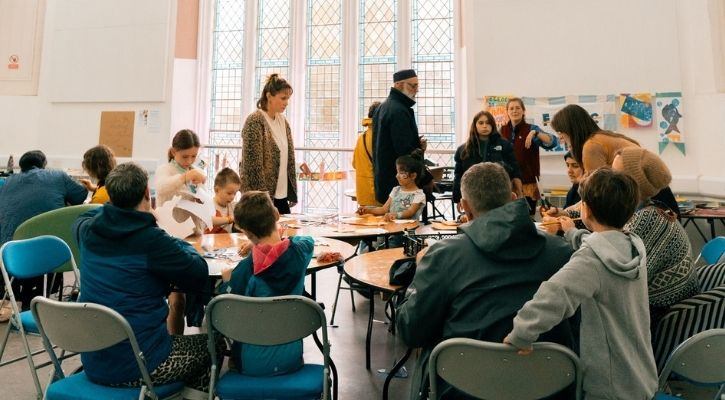
Every year, Trinity holds an Annual General Meeting (AGM).
On Thursday 29th October, Trinity will be hosting our annual AGM. This is a chance to come together, hear what we've been working on, celebrate what we've achieved with the people and communities we work alongside, and look ahead to what's next. And everyone is invited.
"It's one of the few times each year that people from across Trinity's projects, programmes, partnerships and communities come together in one room. It's an opportunity to hear what's been happening across the organisation, celebrate what we've achieved together and look ahead to what's next" - Jen Farmer, Arts Engagement Manager, Trinity Community Arts.
This year we'll be sharing stories, films, performances and highlights from across Trinity, alongside the formal business we need to complete as a charity and membership organisation.
Why Come Along?
The AGM is one of the few times each year when people from across Trinity's programmes, projects, partnerships and communities come together in one room.
It's a chance to:
- Find out what has been happening across Trinity over the last year.
- Meet people involved in different projects, groups and activities.
- Learn more about how Trinity works and how decisions are made.
- Hear about future plans and opportunities to get involved.
- Celebrate the work, creativity and achievements of our communities.
- Ask questions and share your thoughts.
- Connect with artists, partners, volunteers, members and supporters from across the city.
If you've ever wondered what else happens at Trinity beyond the activities you're involved in, this is a great opportunity to find out.
What Happens at an AGM?
As a charity, there are a few things we legally need to do.
These include:
- Sharing our Annual Report and Accounts.
- Reviewing the previous year's minutes.
- Providing updates on Trinity's work and finances.
- Holding any formal member votes.
Alongside this, we'll be sharing stories, films, performances, photos and highlights from across the organisation.
The aim is to make the evening informative, welcoming and celebratory, not just a room full of paperwork.
Who Can Attend?
Anyone can come along.
Some parts of the AGM involve formal voting, which is reserved for Trinity members, but the wider event is open to anyone who would like to hear more about what we do and meet the people connected to Trinity.
Whether you've been involved for years or are completely new to Trinity, we'd love to see you there.
Frequently Asked Questions
Do I need to be a Trinity member?
No. Everyone is welcome to attend.
Do I need to book?
Yes, we'd encourage you to let us know you're coming so we can plan the space and refreshments.
Is it just presentations and paperwork?
Definitely not.
We'll be sharing films, performances, stories and project highlights alongside the formal AGM business.
Can I ask questions?
Yes. There will be opportunities to ask questions and find out more about Trinity's work.
Can I vote?
Formal votes are reserved for Trinity members.
I've never been before. Is it for me?
Absolutely.
Many people attend simply to learn more about Trinity, meet new people and hear what's happening across the organisation.
Join Us
We're looking forward to bringing together the many people, groups, artists, partners, volunteers, members and supporters who make Trinity what it is.
Come along, meet some new faces, catch up with familiar ones, celebrate the year we've had together and hear what's coming next.
Email info@trinitybristol to RVSP by Thursday 22 October to secure your spot
Future Arts Centres
Future Arts Centres
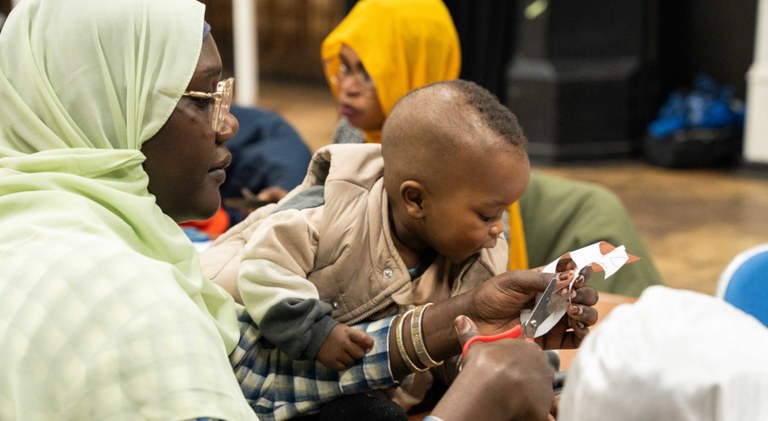
Our Freedom workshop by Jon Aitken
Trinity is a member of Future Arts Centres, a national network of more than 180 arts centres working together to champion the unique role that creative spaces play at the heart of their communities.
Being part of the network connects Trinity and our communities with arts organisations across the UK, creating opportunities to share ideas, learn from one another and collaborate on new approaches to community-led cultural work. It also gives us a national platform for the role that places like Trinity can play in bringing people together, supporting artists and creating opportunities for people to participate in culture.
As part of this network, in 2025 Trinity contributed to Our Freedom: Then and Now: a UK-wide creative programme marking the 80th anniversary of the end of the Second World War and exploring what freedom means to people and communities today. The programme created 60 new pieces of art, working with local artists and communities to explore ideas of freedom through different forms of creative practice.
At Trinity, photographer Leticia Valverdes worked with collaborators at the Centre to document their response to a collaborative artwork created with textile artist Sonja Burnie, Bristol poet Sukina Noor and members of the community. Participants were invited to dance with the work to a song they had chosen to express their own sense of freedom. The resulting photographs are touring the UK in 2026 as part of the national Our Freedom exhibition.
Our involvement builds on Future Arts Centres' previous Here and Now programme - a national celebration of culture within communities in 2020. 40 arts centres across the country delivered projects led by artists and co-created with local people. Trinity worked with award-winning multi-disciplinary British/Iranian artist Roxana Vilk to develop her project Lullabies, celebrating the diversity of cultures who call Bristol home. Lullabies connected communities through the sharing of songs, celebrating the stories and the heritage behind them.
Being part of Future Arts Centres is about being part of a collective of arts centres, demonstrating how creative spaces can be rooted in their communities while also connected to a wider national cultural network.
Details on how to join Future Arts Centres can be found here.
50 Years, Thousands of Stories
50 Years, Thousands of Stories
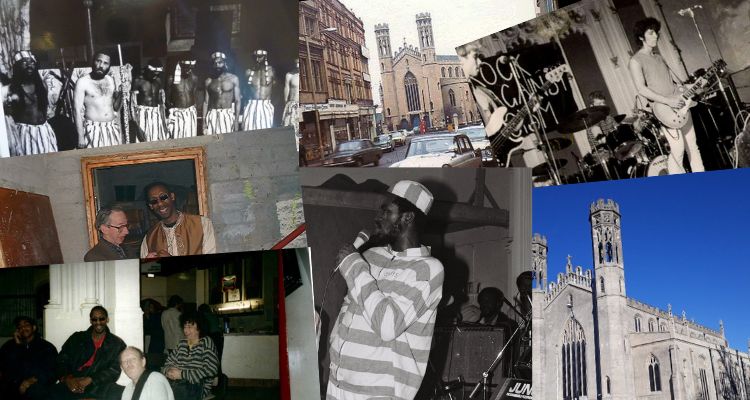
As part of Trinity50, a year-long celebration marking 50 years of Trinity Community Arts, people across Bristol are being invited to share photographs, recordings, flyers and memories that tell the story of one of the city's most significant community and cultural spaces.
The public call-out forms part of Your Trinity, Trinity50's storytelling campaign exploring Trinity's past, present and future through the voices and experiences of the people who have shaped it.
Trinity is inviting audiences, artists, volunteers, community groups, staff, partners and residents to submit photographs, videos, voice notes, recordings, flyers, posters and personal memories from the last fifty years. Alongside memories of the past, people are also being encouraged to share their hopes, ideas and ambitions for Bristol, Trinity and community life over the next fifty years.
A selection of contributions will feature in a public exhibition at Trinity's Garden Party in May 2027, bringing together memories of the past, reflections on the present and ambitions for the future.
Since the Holy Trinity Church last recorded service in 1976 and the buildings purchase by the Bristol Caribbean Community Enterprise Limited the following year, local people secured its future as a community space, playing a vital role in Bristol's cultural and community life. From sound system culture and grassroots organising to youth programmes, artist development, creative health projects and live music, the organisation has evolved alongside the communities it serves.
The campaign aims to celebrate what Trinity believes is a hidden archive of stories scattered across Bristol. Found in family photo albums, old flyers, personal collections and shared memories, these stories capture the people, communities and cultural movements that have helped shape the city.
As Trinity looks towards the restoration and reopening of Jacobs Wells Baths in 2029, Your Trinity draws a line between past and future. Fifty years ago, community action helped secure Holy Trinity Church for public use. Today, Trinity is applying that same commitment to the stewardship of another important Bristol landmark.
Jamell Ackford, Director of Culture at Trinity Community Arts, said:
"For 50 years, Trinity has been shaped by the people who use it. Our story isn't simply about a building. It's about communities coming together through creativity, culture and collective action."
"We're asking people across Bristol to help uncover the photographs, recordings and memories that tell the story of not just Trinity, but the city itself. We want to celebrate those experiences, learn from them and carry them forward."
"As we look towards the reopening of Jacobs Wells Baths and the future of Trinity, we're building on fifty years of relationships, experience and community trust to imagine what comes next together."
Speaking about Bristol's cultural legacy, Daddy G of Massive Attack said:
"Although Bristol is one of the smaller cities in the UK, the creative and cultural impact it has made on the world has been huge. It is exciting to see this continuing with the new generation of creatives coming out of this city."
The campaign will highlight the people, ideas and cultural movements that have contributed to Bristol's creative identity, from community campaigns and youth projects to sound system culture, artist development and international collaboration.
Through Your Trinity, the organisation hopes to preserve stories that might otherwise be lost while creating new conversations about the future.
People can find out more and submit contributions by emailing press@trinitybristol.org.uk.
New Report Celebrates the Lasting Impact of Trinity's Cultural Alliance
New Report Celebrates the Lasting Impact of Trinity's Cultural Alliance
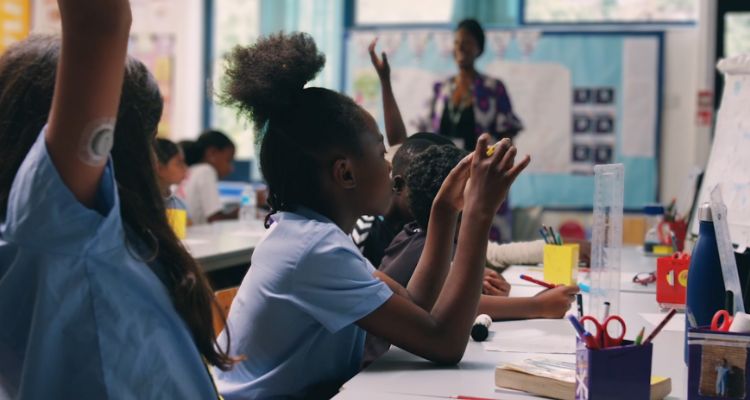
Trinity Community Arts is proud to share the final evaluation report for our Cultural Alliance programme – a three-year partnership with four local primary schools that has transformed how children experience creativity in education.
Rather than delivering one-off arts workshops, the Cultural Alliance was built on long-term relationships, working alongside schools, teachers, artists, children and families to co-design creative learning that responded to local need. Through weekly drama and dance sessions linked directly to the curriculum, the programme demonstrated how creativity can unlock confidence, imagination and participation for children facing some of the greatest barriers to accessing arts and culture.
Across the programme:
- 483 children participated in curriculum-linked creative learning.
- Four local primary schools became long-term partners.
- 720 hours of drama and dance were delivered by professional artists.
- 29 teachers and teaching assistants worked alongside practitioners, embedding creativity within everyday school life.
The report highlights how sustained creative engagement helped children build confidence, strengthen communication skills and engage more deeply with learning. Teachers consistently described improvements in participation, writing, understanding of curriculum subjects and self-belief, particularly for children with SEND and those learning English as an additional language.
One of the report's strongest messages is that meaningful change takes time. Rather than delivering a fixed programme, Trinity listened, adapted and developed the work alongside schools over three years. This relationship-based approach created lasting trust and a model that schools now want to build upon.
The evaluation, led by Dr Harriet Hand, Bristol University, concludes that the programme's legacy extends far beyond individual sessions. It has strengthened relationships between Trinity, schools and families, developed a tested model for connecting culture, education and community, and laid the foundations for Trinity to become a trusted long-term arts partner for local schools.
The programme was made possible through the generous support of the Paul Hamlyn Foundation, Linbury Trust and Nisbet Trust, alongside the commitment and collaboration of our creative partners Movema and acta Theatre, our participating schools, artists, practitioners, children, families and the wider communities who shaped the programme throughout its three-year journey.
As we look ahead, the Cultural Alliance has given us more than an evaluation of a successful project. It has provided a blueprint for how creativity, when rooted in trust, collaboration and long-term partnership, can help children flourish and strengthen communities.
Read the full Cultural Alliance evaluation report to discover the stories, learning and evidence behind this remarkable three-year journey.
Looking Back at Bristol Harbour Festival 2026
Looking Back at Bristol Harbour Festival 2026
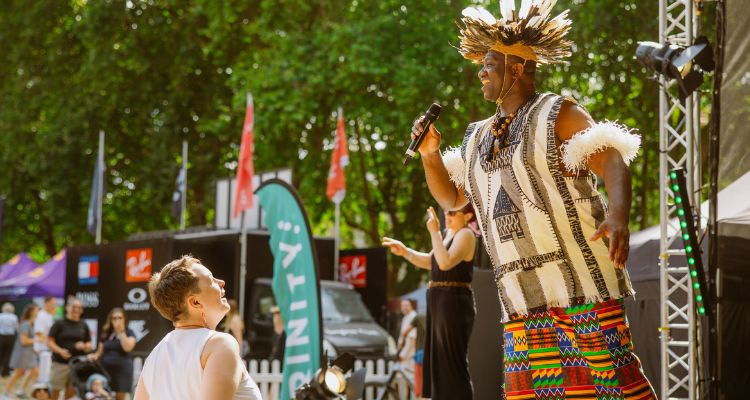
There is something really special about seeing a public space come alive through creativity, and this year's Bristol Harbour Festival was a wonderful reminder of what can happen when artists, community groups and audiences come together. Trinity worked alongside Circus City to programme and deliver the Tidal Stage in Queen Square, creating a space for people to gather, perform, connect and celebrate.
Across the weekend, the stage was filled as we brought together grassroots artists, organisations and community groups from Bristol and across the South West, placing them front and centre in one of the city's biggest free festivals.
From younger performers taking to the stage to artists who have been sharing their practice for decades, it felt like a real celebration of the many people who make up our creative communities. Trinity groups including HYPE and Gerry's Attic were part of the programme, sharing the stage alongside a fantastic range of performers and organisations.
Families stopped on their way through the festival and stayed for a performance. Friends gathered on the grass to watch a dance company they had never seen before. Performers cheered each other on from backstage and audiences joined in throughout the day. There was a generosity to the atmosphere that felt uniquely Bristol.
The sunshine certainly helped, but it was the people who made the weekend what it was. We estimate around 3,000 people passed through the area each day, creating a constant flow of energy around the stage. Whether someone watched for five minutes or stayed for an entire afternoon, they became part of the experience.
Saturday's Brown Excellence takeover provided a brilliant close to the day, bringing fresh energy to the square and creating an atmosphere that kept audiences gathering, connecting and celebrating into the evening. Watching the square remain full of energy into the evening was a reminder of how important these shared public spaces and experiences can be.
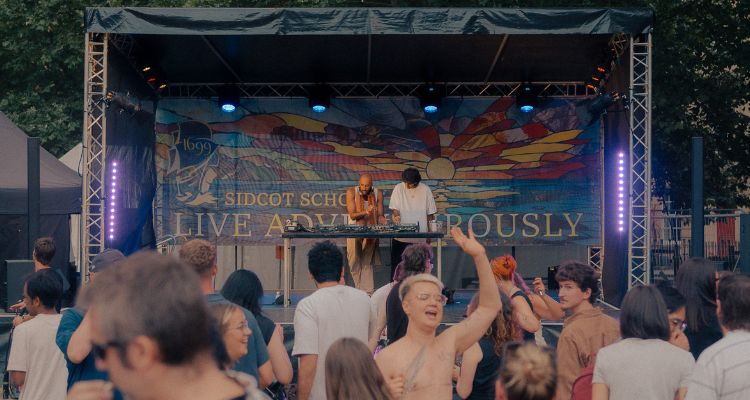
Sunday was a particular highlight. Performances from Bristol Capoeira, Tit for Tat, Mundi Dance and Kings Dance Company brought Queen Square to life, while first-time hosts Aisha Sanyang-Meek and Deepraj Singh guided audiences through the day with humour and enthusiasm.
Events like Harbour Festival create opportunities for artists to share their work with new audiences, for communities to see themselves reflected on stage, and for people to experience culture in a way that feels open and accessible.
A special thank you goes to Sidcot School for sponsoring the Tidal Stage and helping us bring a packed weekend of dance and community performance to Queen Square.
Photos: Alastair Brookes, Elliot Hingston
Seeing What's Possible
Seeing What's Possible
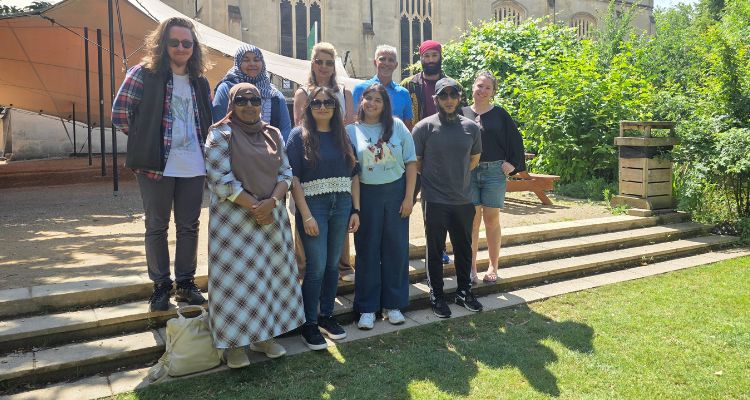
Earlier this summer, Trinity welcomed friends from Legacy WM to Bristol for a tour of Trinity Centre and Jacobs Wells Baths. The visit gave the Birmingham-based team an opportunity to learn more about Trinity's approach to community ownership, heritage-led regeneration and long-term place-making.
Legacy WM visited as part of a team away day, looking for inspiration as they prepare for the future redevelopment of Lea Hall Institute in Birmingham. The organisation is exploring how the historic building can become a community hub, bringing together culture, learning, wellbeing and opportunities for local people.
During the visit, the team learned about Trinity's journey from a historic church to a thriving arts and community organisation before visiting Jacobs Wells Baths, where Trinity is leading work to secure a new future for the Grade II* listed building. The tour offered an insight into the long-term commitment, partnerships and community support needed to bring ambitious regeneration projects to life.
Reflecting on the visit, Legacy WM CEO Aftab Rahman said: "My team and I left feeling inspired. Trinity's work at the church demonstrates how much time, commitment and community spirit it takes to make a project sustainable."
He continues, "we loved visiting Jacobs Wells Baths and seeing both the craftsmanship of the building and Trinity's ambition to take on a project of that scale. It shows a real commitment to serving communities. We all left thinking: if Trinity can do it, so can we. Never underestimate the power of seeing to believe it."
The visit marks the beginning of a new relationship between the two organisations. Legacy WM has invited Trinity to visit Lea Hall as plans progress, creating opportunities to share learning and build connections between community organisations working to transform historic spaces for public benefit.
Photo credit: Legacy WM. Images used with permission.
Cast Light Welcomes 500+ Visitors
Cast Light Welcomes 500+ Visitors
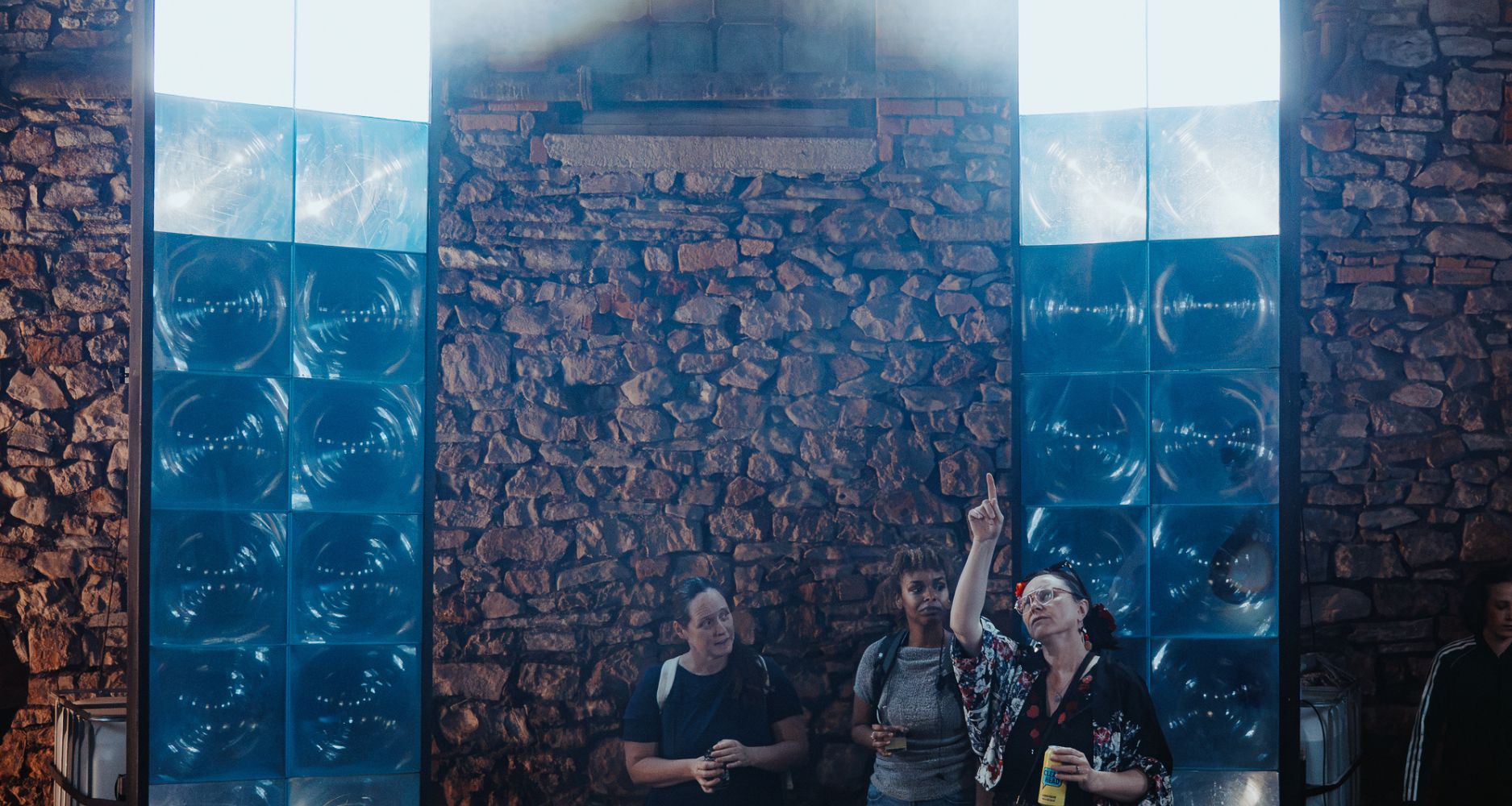
More than 500 people visited Jacobs Wells Baths over the Harbour Festival weekend to experience Cast Light, an immersive sound and light installation by internationally acclaimed artist collective Squidsoup.
Presented by Trinity Community Arts, Cast Light transformed the historic Pump Room into a captivating environment of light, sound and movement, offering visitors a rare opportunity to explore one of Bristol's most significant heritage buildings.
The event marked an important milestone in the transformation of Jacobs Wells Baths and one of the first public activations of the site since Trinity became its guardians. For many visitors, it was their first opportunity to step inside the building and experience its unique atmosphere, history and potential.
The installation formed part of Trinity's Art of the Possible programme, which is opening Jacobs Wells Baths to artists, audiences and the local community throughout its restoration. Ahead of the building's planned reopening in 2029, the programme aims to bring people into the space now through creative events, performances and cultural experiences.
Samuel Javid, Business Plan Development at Trinity Community Arts, said:
"It was incredible to see so many people experiencing Jacobs Wells Baths in this way. Cast Light perfectly captured what the Art of the Possible programme is about – bringing people into the building now, creating memorable cultural experiences and demonstrating the enormous potential of this extraordinary place before it fully reopens."
Dan Pearson, Technical Director at Squidsoup, said:
"Bringing Cast Light into the Pump Room was a unique opportunity. The architecture, history and atmosphere of the space became part of the artwork itself, creating an experience that couldn't exist anywhere else."
The weekend also formed part of Bristol Harbour Festival Fringe and highlighted the growing excitement around the future of Jacobs Wells Baths as a new home for arts, culture and community activity in the city.
A huge thank you to everyone who visited, our volunteers, partners and the Squidsoup team for helping make the weekend such a memorable success.
We look forward to welcoming audiences back to Jacobs Wells Baths soon as the next chapter of its transformation unfolds.
Photo credit: Khali Photography.
Made possible thanks to National Lottery players.
Sober Summer Day Party Back at Trinity
Sober Summer Day Party Back at Trinity
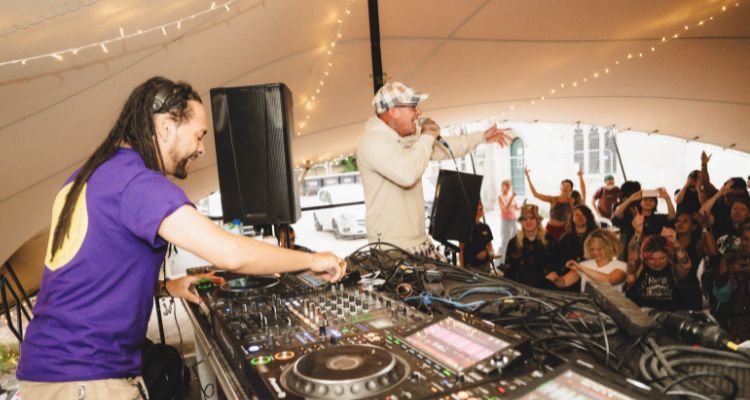
As festival season brings a wave of events across the city, Bristol Sober Spaces' Summer Day Party offers an alternative: a space to dance, connect and enjoy live music, without alcohol at the center of it.
Following on from our successful first summer day party last year with Roni Size, Nicky Black market and Milly On Air, this August we’re teaming up with Trinity once again to bring a day full of funk, soul, jungle and DnB, without the hangover. The day will start with funk and soul vibes from TJA and Stone ColdHustle, before we hand the party over to Anything But Becky, Any Jungle in Gals, and closing out with Bristol DnB and jungle legend Aries. Alongside the music, expect craft areas, a sober meet-up space hosted by Sober Circle, market stalls, a chance to find out more about Fight Klub, food trucks, and – thanks to feedback from our sober ticket holders - a coffee van!
Bristol Sober Spaces events are for anyone and everyone who wants to come to the night - you don't have to sober 24/7, just for this event. We are all about focusing on the music and normalizing sober night life.
Since our founding in 2022, our mission has been simple: to host regular, high quality, accessible and affordable live events that are completely drug and alcohol free. We began with National Lottery funding through Not Saints (the world’s only recovery record label), and are now firmly established as a partnership between Trinity and BDP Creative Communities (Bristol Drugs Project). We’ve booked artists like Roni Size, Jumpin’ Jack Frost, Nicky Blackmarket and Dazee, and worked with venues like Trinity, Rough Trade, LocoKlub, Jam Jar, Basement 45, and Bristol Beacon.
Our safe and welcoming event shave included drum and bass, garage, world, hip hop, house, metal, punk and queer, there’s something for everyone. Our events are great nights out in themselves, with the added benefits of no hangovers, saving money, enjoying music and performance with a clear head, and feeling part of a community and rapidly emerging scene.
“Bristol Sober Spaces just keeps getting bigger and bigger – more new audience members, more artists getting in touch to perform, and more venues wanting to collaborate." Sophie, Bristol Sober Spaces coordinator
Quotes from past events:
Roni Size “It was incredible performing to all those people, some of whom were going through recovery. It was a totally different feeling to what I’m used to”
Jumpin Jack Frost “Massive love to the Sober Space Bristol. Absolutely wickedvibes. A sold-out show, pure energy, and a proper community all coming together-proof that you don’t need anything extra to feel that high.”
Milly on Air "There's something really special about playing at sober events. People are so engaged and so present"
"These events are not just for people that are sober because maybe they've had a problem in the past, but also for people that just don't want to wake up tomorrow with a hangover." Jade, Bristol Sober Spaces volunteer and event participant
"I found it's a really beautiful experience. You're surrounded by people that are present and engaged. It's just one of the best feelings being on the dance floor without alcohol." Event participant
For more information, head to our event page.
Social Media: @bristolsoberspaces
Website: www.soberspaces.co.uk
Cast Light at Jacobs Wells Baths as part of Bristol Harbour Festival
Cast Light at Jacobs Wells Baths as part of Bristol Harbour Festival
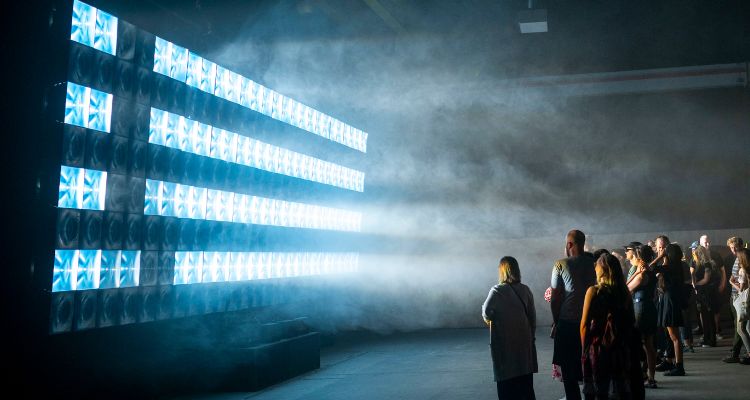
This July, Trinity Community Arts presents Cast Light, a new immersive installation by internationally acclaimed artists Squidsoup, transforming the historic Pump Room at Jacobs Wells Baths into a captivating environment of light, sound and space.
Taking place on 18 and 19 July, alongside Bristol’s annual Harbour Festival, the ticketed experience invites visitors into one of Bristol’s most significant heritage buildings as it undergoes ongoing restoration during the city's annual Harbour Festival. Designed as an audience-led encounter for small groups, Cast Light offers visitors the chance to move freely through an evolving landscape of illuminated forms and spatial sound.
Recognised as pioneers in the fields of light, sound and technology-based art, Squidsoup have created large-scale works experienced by millions of people worldwide, from Burning Man to Alexandra Palace. Their installations have captivated audiences across six continents.
Cast Light is a new artwork comprising an arching arrangement of towering columns of light accompanied by an expansive soundscape. Installed within the atmospheric surroundings of the Pump Room, the work explores ideas of scale, connection and our relationship with the natural world. The result is an experience that shifts between moments of wonder and quiet contemplation.
“Cast Light began as an exploration of scale, presence and our relationship to the environments we inhabit. The work shifts as people move through it, creating moments that can feel vast and enveloping, but also deeply personal. The title is a nod to the venue - a play on the solidity of the space and its cast iron construction of areas previously never seen before, against the fluidity of light moving through it. The artwork asks you to explore how we appear in the light, and how it transforms the space around us. The Pump Room at Jacobs Wells Baths is a space shaped by human activity and industrial history, and we’re excited to invite audiences into that conversation through light and sound in such a unique heritage site.”
- Squidsoup
The installation is situated in a space that once powered the building itself;. The Pump Room housed the furnace boilers that heated the natural spring waters flowing through Jacobs Wells Baths, making it the operational heart of the Victorian complex.
Visitors are invited to experience both the artwork and the architecture in a setting that encourages personal exploration and reflection.
As part of Jacobs Wells Baths radical citizen-led approach, Trinity Community Arts have created opportunities for local residents to inform its design and development. In recognition of the relationship with its closest members, free tickets for Cast Light will be offered to residents living in neighbouring Brandon House and St Peter’s House.
Cast Light forms part of Trinity’s Art of the Possible series at Jacobs Wells Baths, a programme that opens the site to artists and audiences during its transformation. It is one of a small number of public events taking place ahead of the building’s major reopening in 2029 as a landmark cultural venue and centre for citizen-powered arts in the South West.
The event is proudly presented as part of the Bristol Harbour Festival fringe activity.
About Squidsoup
Squidsoup are internationally recognised artists working with light, sound and digital technologies to create immersive environments and participatory experiences. Their work has been presented worldwide at festivals, galleries and public spaces, earning critical acclaim for its innovative approach to audience engagement and sensory experience.
What the critics say
“The Best Live Show in the World”
Mixmag on Squidsoup’s collaboration with Four Tet
”…a sincere and disarming electronic experience”
The Guardian on Squidsoup
Select slots will feature a live dance performance.
Event Information
Cast Light
By Squidsoup presented by Trinity Community Arts
Dates: 18–19 July 2026 | Private View 17 July
Venue: Jacobs Wells Baths, Bristol
Tickets availble via Headfirst: Booking required | £3
Access document can be found here
Part of the Art of the Possible series and Bristol Harbour Festival Fringe programme.
Made possible thanks to National Lottery players.

Trinity Secures Gulbenkian Exhibitions Fund Award for Major International Exhibition
Trinity Secures Gulbenkian Exhibitions Fund Award for Major International Exhibition
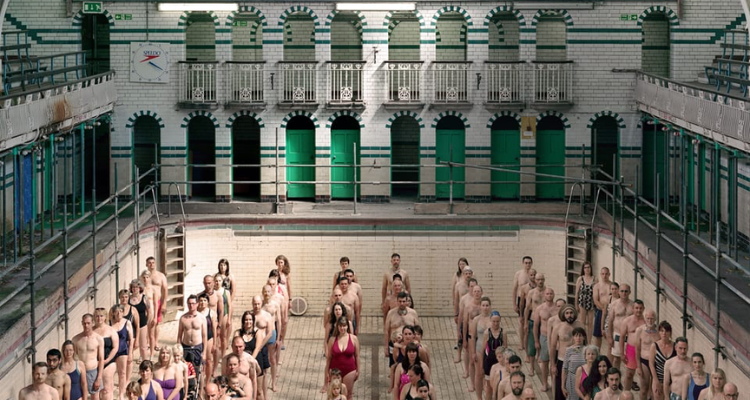
Attilio Fiumarella, The 100 Swimmers, 2014.
Trinity Community Arts is delighted to announce that it has been awarded £17,000 through the Calouste Gulbenkian Foundation (UK Branch) Exhibitions Fund to support Art of the Possible: Rhythm • Flow • Resistance, a major international exhibition and site-specific activation planned for Summer 2027 at Jacobs Wells Baths.
The project is one of just seven exhibitions selected nationwide for the inaugural Gulbenkian Exhibitions Fund, a new initiative supporting UK-based cultural organisations to present contemporary art by artists from Portugal and Portuguese-speaking countries. Grants of up to £30,000 have been awarded to museums, galleries, festivals and arts organisations across the UK, helping to strengthen the visibility of Portuguese and Lusophone artistic practice within the UK's cultural landscape.
Art of the Possible: Rhythm • Flow • Resistance will bring together artists from the UK, Portugal and Brazil to explore movement, collective memory and resistance through photography, immersive installation, sound, film and performance. The exhibition will activate the newly uncovered and naturally lit pool hall at Jacobs Wells Baths, creating a large-scale cultural experience in the historic space for the first time in decades.
Featured works include Portuguese-based artist Attilio Fiumarella's photographic explorations of bathhouses and civic space, particularly his "100 Swimmers" project at Moseley Road Baths in Birmingham. In 2014 this cherished Edwardian public swimming pool, one of the last operational municipal baths in the UK, became a focal point for Fiumarella's exploration of civic space and community resilience.
The exhibition will also include performance and political theatre by São Paulo collective Legítima Defesa, led by Eugênio Lima; and Breathe, an immersive sound and light installation by Bristol-based producing organisation In Between Time, supported by Arts Council England.
The exhibition forms part of a growing international collaboration and Trinity's wider vision to transform Jacobs Wells Baths into a vibrant civic and cultural destination for Bristol. Currently undergoing restoration, the Grade II listed former public bathhouse is being brought back into public use as a new cultural and heritage venue, with a full public opening planned for 2029.
The exhibition will offer a rare opportunity to experience the building's historic main pool hall in its original spatial configuration. It will be the first time since 1976 that the space has been publicly accessible in this form, allowing visitors to encounter the restored natural light, scale and Victorian architectural details that were obscured during its later use as a dance centre.
By connecting the heritage of public bathing and civic gathering with Afro-diasporic narratives and contemporary artistic practice, Art of the Possible: Rhythm • Flow • Resistance demonstrates the potential of Jacobs Wells Baths as a space for cultural exchange, creativity and community connection.
The project is supported by the Calouste Gulbenkian Foundation (UK Branch), Bristol City Council and Arts Council England.
Audience feedback, attendance data, partner reflections and photographic documentation gathered through the exhibition will contribute to the wider evaluation of the Jacobs Wells Baths restoration project, helping to shape future interpretation, programming and public engagement activity as the building progresses towards reopening in 2029.
Image: Attilio Fiumarella, The 100 Swimmers, 2014.
Working together to celebrate Sanctuary with Bristol Refugee Festival
Working together to celebrate Sanctuary with Bristol Refugee Festival
Trinity is proud to support Bristol Refugee Festival 2026 as part of Celebrating Sanctuary, programming this year's family craft area filled with creative activities for all ages.
On Sunday 21 June, visitors are invited to join Bristol Refugee Festival for their free annual flagship event and festival finale showcasing Bristol refugee talent with live performances, activities, games, kids area, trade stalls and delicious food.
Addendees can take part in hands-on workshops, interactive installations and open-ended making, led by a brilliant mix of artists and organisations from across the city.
Junkfish bring their much-loved Junk Ball Run, a giant marble run made from colourful recycled materials, alongside a selection of oversized garden games including chess, Jenga, noughts and crosses, draughts and hoopla. It’s a space to play, explore for all ages.
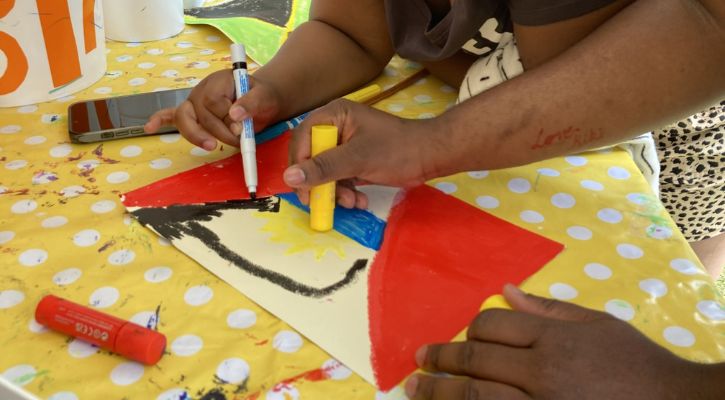
We’re also working with fellow Family Arts Network partners to offer a range of creative activities. Join Let’s Make Art to design and build your own kite, inspired by ideas of freedom, hope and resilience.
Create a personalised flag with Bristol Scrapstore using recycled materials, celebrating the people, places and things that matter to you. Suitable for all ages and abilities
Let’s Make Art and Scrapstore facilitators will be supported by local artists Sherien Elsheikh and Nabil Amini, with henna design sessions from Fariha and Pooja running throughout the day.
Everyone is welcome to drop in, take part and spend time in a relaxed, creative environment.
Trinity has worked closely with Bristol Refugee Festival in the lead-up to this year’s event, hosting planning meetings in late 2025 and early 2026 and supporting the team as they began shaping this year’s celebration of sanctuary, community and creativity centred around the overall theme of courage.
"It was exciting to meet up with current partners as well as connecting with new organisations from across the city, to strengthen community connections and continue to spread the message of welcome across Bristol." - Jen Farmer, Arts Engagement Manager, Trinity
As a member of the Family Arts Network, we were eager to collaborate with other members, including Bristol’s Scrapstore, a key partner from last year’s Celebrating Sanctuary event. We also welcomed Let's Make Art, based at Arnolfini, which delivers creative activities across the city. The Network is funding two artists, Sherien Elsheikh and Nabil Amin, to lead craft activities on the day. Trinity is also pleased to support two additional artists, Pooja and Fariha, who will conduct henna design workshops.
Visit the Bristol Refugee Festival website for more info
Free, drop-in | All ages welcome
Thank you and Goodbye Eleri
Thank you and Goodbye Eleri
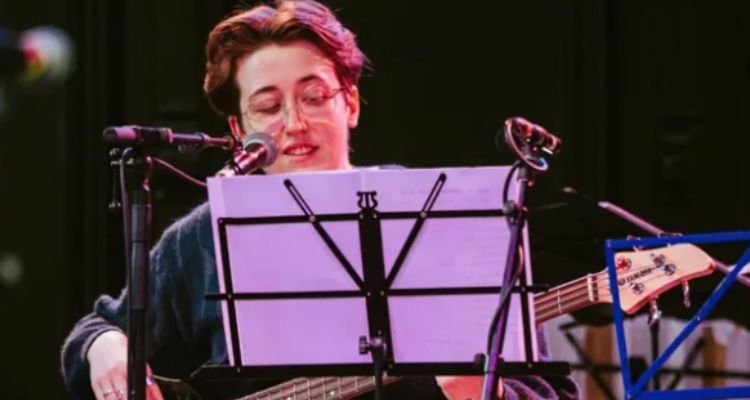
Over the past year, Eleri has been a huge part of life at Trinity, from the youth programme to the sound team and we want to take a moment to say a heartfelt thank you.
Starting out as a volunteer with Next Gen Sounds, she quickly became a valued music tutor, leading inspiring 1–2–1 sessions and after-school workshops with young people at Easton CE Primary. Her approach has always been rooted in making a difference to the young people she’s worked with and to the wider team.
Behind the scenes, Eleri has brought the same energy and calm focus to the sound desk, supporting live gigs and youth showcases with skill and confidence. Her contribution to with Bristol Drug Project’s Recovery Orchestra and Move On Music further demonstrated her passion for community music and her ability to elevate every project she is involved with.
"She’s made a genuine difference here and we’re all going to miss her – but it’s exciting to see her step into the next chapter of her career." -Jake Mensah, Youth Services Manager
Eleri’s commitment, kindness and creativity has made a huge impact across Trinity Community Arts, and we are truly thankful to have had her as part of the team. Wishing you all the best on your next path into full-time sound tech.